Red Cross “Home Fire Preparedness Campaign” – A Volunteer Experience

This slideshow requires JavaScript.

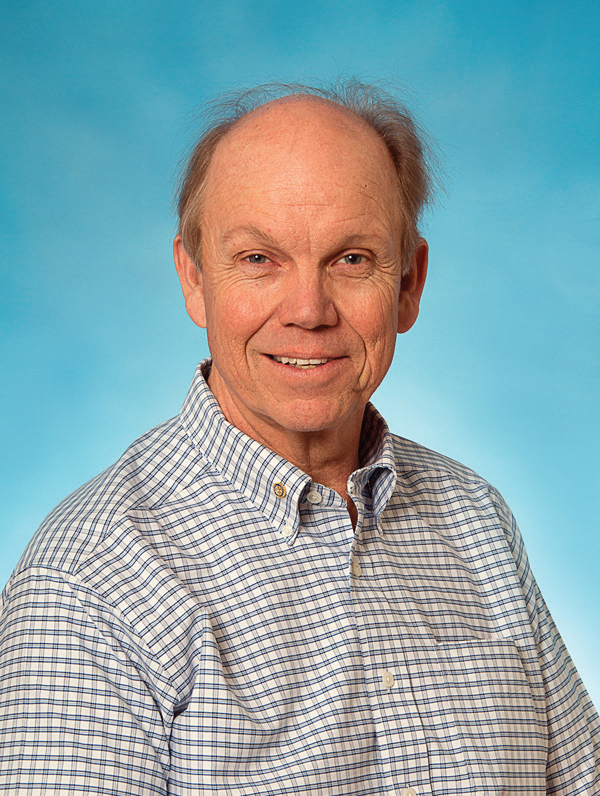
From Heath Wakelee – Red Cross Volunteer

I have been a Red Cross volunteers for a number of years and are part of a Disaster Action Team that responds to calls to assist clients after a home fire. None of those calls are easy to experience, especially when there are major burn injuries and/or loss of life (human or pets.)

But a few weekends ago, I received a request to be more proactive in our Red Cross preparedness mission and to work with some outstanding young people.  The thought of preventing burns and suffering was even stronger than my desire to assist someone who had just experienced a home fire.

If I had it within my power to assist someone to get out of a burning home filling with smoke and fire, that would be forever rewarding.

Home fires are American’s biggest disaster threat. Every day the Red Cross helps people affected by more than 200 home fires. More than 90 percent of the 70,000 disasters the Red Cross respond to each year are fire related. Unlike other disasters, most home fires can be prevented. So, the Red Cross is committed to helping people understand how they can prevent home fires and protect themselves should they experience a fire.

The outstanding young people were volunteers with FEMA.  Many giving up school or delaying careers to help others.  It truly gives you faith in the future that not all of our youth are misguided.  The crew that I worked with is hardworking, bright-eyed and sincerely interested in preventing human suffering.

So what were we doing that day?  Going door-to-door asking for permission to check residents smoke alarms, to install free batteries if needed, to install free smoke alarms where needed and to install free carbon monoxide detectors.

Too often we entered a home to find the smoke alarm bracket in place, but the smoke alarm had been removed.  Other homes needed batteries replaced and while our installation team moved quickly, others educated the homeowner about being prepared in the event the family needed to evacuate quickly.

In the Gold Country Region have had success with this nationwide campaign.

  • Smoke detectors installed – 1,131
  • Emergency plans developed – 781
  • CO Monitors installed – 436
  • Batteries replaced – 339
  • Homes canvassed – 2,190

We have a lot of volunteer opportunities in the Red Cross and few are as rewarding as preventing suffering.  So keep current in your CPR training and I hope to work with you on a future preparedness event.

Saved by the Smoke Detector

Smoke Detector In the early morning hours on June 2, two homes on Tilden Drive in Roseville were caught on fire. Neighbors spotted smoke coming from the homes and called their local fire department, which arrived shortly after.

Homeowner Jim Meron was asleep when the fire broke out, but his smoke detector’s loud alarm alerted him to danger.

“It’s surreal,” Meron said. “You’re not awake and you can’t believe it’s happening. You’re awestruck. No doubt, no doubt, the smoke detector saved my life.”

The two-alarm fire completely destroyed one of the homes, and the other home was damaged by smoke. Thankfully, everyone made it out safely.

Incidents like this are a clear reminder of why the American Red Cross Gold Country Region is pushing to reduce the number of home fires with the Home Fire Campaign.

The number of residential fire death actually increased by nearly 15% in 2013. Smoke alarms cut the risk of death from a fire in half, so the Red Cross is focusing the efforts of our coalition of organizations on installing smoke alarms in homes in some of the most fire-affected neighborhoods around the country.

We’re joining with fire departments and community groups to canvass neighborhoods, install smoke alarms and deliver fire prevention information in places we know have high numbers of fires.

The Red Cross also is asking every household in America to join us in taking the two simple steps that can save lives: checking their existing smoke alarms and practicing fire drills at home.

Here are some alarming facts:

  • On average, seven Americans die in home fires every day.
  • When smoke alarms fail to operate, it is usually because their batteries are missing, disconnected or dead. Almost one-quarter of smoke alarm failures are due to dead batteries.
  • Nearly two-thirds of all fire deaths happen in homes that have no smoke
    alarms or malfunctioning units.

Our region’s goal was to install 1,000 Smoke detectors in 2014-15, and with help for our local fire departments and volunteers, we have been able to install 1,131! Our other accomplishments include:

-2,190 homes canvased

-781 emergency plans developed

-436 CO monitors installed

-339 batteries in smoke alarms and CO monitors replaced

Round of applause and a big ‘thank you’ goes out to everyone who made this happen.

People can visit redcross.org/GoldCountry to find out more about how to protect themselves and their loved homes from fire and find out the location of local smoke alarm installation event.

Six Red Cross Tips to Stay Safe When Temperatures Soar

Hydrate Sacramento, CA, Friday, June 12, 2015 — Dangerously hot weather is predicted for the Gold Country Region, and the American Red Cross wants to remind everyone of the steps they should take to stay safe when the temperatures rise.

“High temperatures, humidity and hot, indoor environments can quickly cause heat-related emergencies,” said Lilly Wyatt, Spokesperson for the Red Cross Gold Country Region. “Excessive heat can lead to sunburn, heat cramps, heat exhaustion and heat stroke.”

HeatGuyThe Red Cross has some simple steps to help beat the heat:

  • Never leave children or pets alone in vehicles. The temperature inside can reach a dangerous level within a few minutes.
  • Slow down, take frequent breaks and drink more water than usual – even if you’re not thirsty.
  • Wear loose-fitting, lightweight, light-colored clothing.
  • If working outdoors, take frequent breaks and use the buddy system.
  • Check on family, friends and neighbors who do not have air conditioning, who spend much of their time alone, or who are more likely to be affected by the heat.
  • If possible, bring animals inside. If not, frequently check to ensure they are comfortable and have water and a shady place to rest.

LEARN MORE The free Red Cross Emergency App provides instant access to expert heat safety tips. Users also have the option of receiving alerts for excessive heat watches, warnings and heat advisories. The Red Cross Pet First Aid App has steps pet owners should take to help keep their furry friends safe during hot weather. People can find the apps in their app store by searching for American Red Cross and at redcross.org/apps.

People can learn how to prevent and respond to heat-related and other emergencies by taking a Red Cross First Aid and CPR/AED or Advance Child Care Training course. A variety of online and in-class options are available. Course and registration information is available at redcross.org/takeaclass.

And also … don’t forget to hydrate, hydrate, hydrate!

The Need is Greater

Our Red Cross Disaster Response team responded to an apartment fire in South Sacramento. 8 units in an apartment complex were damaged, to varying degrees, by an arson-caused fire.

8 other units lost power for several hours. 1 client, who is 8 months pregnant, narrowly escaped the fire and was hospitalized with fire-caused complications to her pregnancy.

Out DAT teams need your help! Sign up to volunteer to respond to these type of incidents!

We are there in every disaster whether big or small and 90% of our response is to home fires! Help us continue to help others.

Sign up to volunteer at http://www.redcross.org/ca/sacramento/volunteer.

Facts about the Red Cross Response in Haiti

Many of you have been calling, emailing or sending messages via social media regarding an article that was published by ProPublica about our relief efforts in Haiti..

First of all, we want to thank all of you for your generosity! Almost five and a half years after the devastating earthquake in Haiti, the American Red Cross continues to make a difference in the lives of millions of Haitians who desperately needed help and humanitarian assistance.

With the fund, the American Red Cross has helped build and operate eight hospitals and clinics, stem a deadly cholera outbreak, provide clean water and sanitation, and move more than 100,000 people out of make-shift tents into safe and improved housing. When land was not available for new homes, the Red Cross provided a range of housing solutions including rental subsidies, repairs and retrofitting of existing structures, fulfilling our promise to ensure tens of thousands of Haitians are back in homes. We also built and repaired schools, roadways and water distribution points vital to neighborhoods.

Despite the most challenging conditions, including changes in government, lack of land for housing, and civil unrest, our hardworking staff—90 percent of whom are Haitians—continue to work to meet the long-term needs of the Haitian people. While the pace of progress is never as fast as we would like, Haiti is better off today than it was five years ago.

The Red Cross is disappointed to see our work has been misrepresented in some media so please learn the facts about our recovery program in Haiti and to hear from those we have helped and continue to help, please visit www.redcross.org/haiti.  Also, be sure to read “The Real Story of the 6 Homes in Haiti: Answering Your Questions”, this piece was written by David Meltzer, Chief International Officer of the American Red Cross. He has traveled to Haiti more than 20 times—both before and after the earthquake— including in the days after the disaster struck.

While the Red Cross has fulfilled our promise to make sure tens of thousands of Haitians are back in homes. There is still much to do.

For 134 years, the American Red Cross has been there to help people in need; and we will still be there for the next disaster or emergency to help people here in the Gold Country Region and in other areas around the world.

Thank you for your ongoing support of your American Red Cross Gold Country Region.

Sincerely,

Kathleen Weis
CEO
American Red Cross Gold Country Region

The following 13 Facts about the Red Cross Response in Haiti addresses the numerous inaccuracies in recent media reports.

Myth: The American Red Cross never had a final plan for its work in Haiti.

Fact:
The Red Cross began our long term planning shortly after the earthquake. Within the first year we had a working plan that established six strategic priorities and added a seventh:

1. Emergency relief

2. Shelter

3. Health

4. Water and sanitation

5. Livelihoods

6. Disaster preparedness

7. Cholera prevention

Haiti is a complex place to work and because of that we needed to adjust and improve the plan to address the changing environment and challenges.

Example: When we could not secure land to provide new housing, we focused on safe housing with a wide spectrum of choices, not a one-size-fits all plan (rental subsidies, repairs and retrofitting of existing homes, as well as teaching people how to repair their homes).

____________________

Myth: Internal issues delayed services.

• Staff turnover

• Lack of planning

• Poor relationships withpartners

Fact: False.

• We have worked effectively, leveraging the capacity and specific skillsets of 47 partners to extend our reach and serve a spectrum of needs simultaneously.

• Staff turnover was relatively low and, as we understand, consistent with other NGOs in Haiti.

• The Red Cross continuously responded to changing circumstances by adapting our plan and remaining responsive to emerging and evolving needs.

____________________

Myth: Red Cross service delivery statistics are misleading.

Fact:
• 4.5 million people have been helped through our disease prevention programs.

That’s the most conservative estimate of people assisted.

• Many who received help through disease prevention programs also benefited from multiple Red Cross services such as housing, job training, and access to clean water, but we only count them once.

____________________

Myth: Details of Red Cross spending are so broad as to be useless.

Fact:
The Red Cross reports annually how we spend donor dollars on our website and break it down according to sector. We raised $488 million for our work in Haiti and here is how our spent and committed funds have been allocated:

• Emergency relief: $66 million

• Shelter: $173 million

• Health: $73 million

• Water and sanitation: $47 million

• Livelihoods: $48 million

• Disaster preparedness: $56 million

• Cholera prevention: $25 million

____________________

Myth: The Red Cross takes overhead, then grants money to partners who also take overhead.

Fact:
91 cents of every dollar the Red Cross spends goes to our humanitarian programs and services.

• We partner with organizations that also keep their expenses low.

• It is more cost effective to rely on the expertise of partners than if we tried to build and staff these programs from scratch.

____________________

Myth: The Red Cross gave donor dollars to the U.S. government.

Fact:
It is rare that we would grant money to a government agency, but in this case we pooled funds with the U.S. Agency for International Development – which assesses no overhead – each bringing our expertise and strengths to the project.

____________________

Myth: The Red Cross president promised to provide tens of thousands of people with permanent homes but only built six new homes.

Fact:
• The Red Cross has provided more than 132,000 people with safe and durable housing, through a variety of methods.

• Often, the fastest and most efficient way to get people into safer homes is through rental subsidies, or repairs and/or retrofitting of existing homes.

• We also build and repair infrastructure that is vital to neighborhood recovery – like schools, roadways and water distribution points.

• The bottom line is that there hasn’t been sufficient land available to build new homes – particularly in the most heavily affected areas of Port-au-Prince where people want to live.

• Haitians don’t want to leave the neighborhoods where they lived, worked and went to school before the earthquake.

• Red Cross has fulfilled our promise to make sure tens of thousands of Haitians are back in homes.

____________________

Myth: The Red Cross calls temporary, or t-shelters, permanent homes.

Fact:
False.

In no place has the Red Cross called a t-shelter a permanent home. We consistently refer to the range of housing solutions that the Red Cross has offered in Haiti to provide people safe housing.

____________________

Myth: The cholera program had severe delays getting off the ground, despite Gail McGovern’s statement that Red Cross “sprang into action.”

Fact:
False.

• Within 72 hours of the announcement of the cholera outbreak, teams of Haitian Red Cross volunteers were providing cholera prevention training in camps and staff members were sent to the epicenter of the epidemic to help respond.

• Within five days, tens of thousands of pounds of cholera relief supplies were airlifted.

• We have also provided most of the funding for a first-ever cholera vaccine in Haiti, and $47 million for projects to provide clean water.

____________________

Myth: The Red Cross didn’t hire enough Haitians on staff, relying heavily on expensive “expat” staff.

Fact:
Wrong.

• Since the beginning of our earthquake recovery program, more than 90 percent of our staff has been Haitian.

• Red Cross does not tolerate prejudice of any kind and took steps to train people in cultural sensitivity.

• The American Red Cross has hired some international staff with expertise in major disaster recovery and their benefit package is in line with the international humanitarian sector.

____________________

Myth: The Red Cross misled residents of LAMIKA by not telling them how much money would be spent there and not fulfilling promises of new homes.

Fact:
• We worked very closely with community residents in LAMIKA to keep them informed of plans and budgets, and got their input to decide how to spend funds in their neighborhoods.

• We initially budgeted for 700 houses to be repaired, retrofitted or built, but we adapted and responded to the fact that clear title to land in the LAMIKA community could ultimately not be obtained.

• Additionally, residents gave a higher priority to other needs such as roads and pathways, jobs, schools, etc., so we invested in shared community assets such as road, sidewalk, drainage and school construction.

____________________

Myth: Sources in the Red Cross say that 24 cents of every dollar donated for international programs goes to overhead – not 9 cents.

Fact:
As with every dollar the Red Cross spends, an average of 91 cents goes to our humanitarian programs and services and only 9 cents to management, general and fundraising.

____________________

Myth: The Red Cross declined to show us projects in Haiti.

Fact:
• The Red Cross often arranges interviews for U.S. based media when they are visiting Haiti.

• Other media outlets routinely provide us with several days of notice before visiting because they understand that our staff members have to stop their work to accommodate journalists.

• We denied the request of ProPublica and NPR after they showed up in Haiti without making arrangements ahead of time.

Honoring Everyday Individuals doing Extraordinary Acts of Courage

On Wednesday, June 3, 2015 at 7:15am, the American Red Cross Gold Country Region gathered to honor these outstanding 15 individuals from the Stanislaus and Tuolumne Counties who have taken action in a time of crisis to help others. The American Red Cross is a community leader in emergency preparedness, prevention and response, and this celebration was to exalt courage and good news .

Just like athlete Arthur Ashe says: “True heroism is remarkably sober, very undramatic. It is not the urge to surpass all others at whatever cost, but the urge to serve others at whatever cost.” These 15 individuals are honored as “Real Heroes” for their service to others, be it an act that saves a life in peril or a history of helping people in need of assistance.

American Red Cross Heroes Breakfast 2015
Animal Rescue Hero Niki Schiveley

Animal Rescue: Niki Schiveley

Niki has organized pet food drop-off events including “Santa’s Paws,” that resulted in thousands of pounds of dog food, pet supplies and cash donations for area animal shelters. Her love for animals has also led to ‘Brownies Wish’, a non-profit organization that finds families for homeless animals. She also juggles single parenthood, pre-med studies with a 4.0 GPA, and performs volunteer work at Memorial Medical Center.

Good Samaritan (Adult):  Cody Lamonte and Joel Deering

American Red Cross Heroes Breakfast 2015
Good Samaritan Hero Cody Lamonte
American Red Cross Heroes Breakfast 2015
Good Samaritan Hero Joel Deering

Without pausing to consider the danger to their own lives, these two friends sprang to the aid of a stranger who fell off a 70-foot cliff and into the ocean to save a man who had fallen from a cliff in Point Reyes.

Good Samaritan (Adult):  Jim Moore (no picture)

Truck driver Jim Moore was driving his big rig along Garberville Highway when he witnessed a SUV swerve over the middle line and hit a big rig truck head on. Jim ran to the SUV but found the driver had died on impact. Then he heard a woman screaming for help from the cab of the big rig. The truck was on fire and the woman was trapped inside. Jim broke the glass on the door and reached in and pulled the woman out. In only a matter of seconds, the cab and the truck were engulfed in flames. Jim stayed at the scene until the highway patrol arrived.

Good Samaritan Senior Hero: Lonny Davis
Good Samaritan Senior Hero Lonny Davis

Good Samaritan (Senior):  Lonny Davis

Lonny Davis provides mobility and dignity to the disabled poor by collecting and distributing used wheelchairs. Lonny and a cadre of dedicated volunteers have coordinated over 25 seating clinics in dozens of developing countries, with over 5,000 of the disabled poor receiving specially fitted wheelchairs.

OfficersMusto and Koehler
Law Enforcement Heroes Officers Todd Musto and Caelli Koehler

Law Enforcement:   Officers Todd Musto and Caelli Koehler

Officers Musto and Koehler were working as members of a Community Response Team when a call was received of a subject down at a local park. When they arrived and saw a transient gentleman lying on the floor unresponsive, CPR was performed without hesitation to subsequently save this individual’s life.

Medical Professional:  Dr. Larry Abel

Dr. Able has provided hope, help and healing to many veterans. Since he also carries combat related PTSD and moral wounds from war, he is able to empathize and provide assistance to men and women who have experienced the traumas and horrors of combat that can take years and often decades to work through.

MikeStavrakakis
Military Veteran Hero Mike Stavrakakis

Military (Veteran):  Mike Stavrakakis

Mike, an 87-year-old veteran who served in both the Korean War and during the Cuban Missile Crisis, still serves his country in retirement. Several years ago he noticed there was little reading material at the VA clinics. He began collecting books and magazines to distribute to veterans’ hospitals and clinics throughout Northern California. This has grown to include videos, toiletries, DVDs and even hand-knitted lap robes for wheelchair-bound wounded vets. His dedication to his fellow veterans has resulted in over 40,000 items delivered throughout the area.

OfficersMiguelandWaytt
Professional Rescuer Heroes: Officer Jesse Miguel and Jason Wyatt

Professional Rescuer:  Officers Jesse Miguel and Jason Wyatt

The Red Cross responds to nearly 70,000 disasters each year in the United States and the vast majority are home fires. Officers Miguel and Wyatt bravely entered a burning home and rescued two people from a second story home.

DonTetrick
Workplace Hero Don Tetrick
MarlaWoody
Workplace Hero Marla Woody

Workplace:  Don Tetrick and Marla Woody

Hughson High School sophomore Andrew Jolliff will be forever grateful to his teachers Mr. Tetrick and Ms. Woody. Andrew’s teachers jumped into action and performed CPR when they noticed that Andrew was having seizures and not breathing. Most people can’t administer chest compressions longer than two minutes, but Tetrick soldiered on for more than five! Both teachers were by Andrew’s side when emergency crews arrived and were able to bring Andrew back.

Spirit of the Red Cross Sandy Sandville

Spirit of the Red Cross:  Sandy Sanville

Sandy Sanville exemplifies the spirit of the Red Cross in her everyday life. In her professional life she is a registered nurse. But in her commitment to helping, educating and comforting both friends and strangers, she is truly a friend in need. Friends with sick children, ailing parents or medical emergencies know that Sandy can be relied on day or night.

Hero of the Year Jon Gianelli

Hero of the Year: Jon Gianelli

After five months of dialysis, Michelle Obeso-Theus needed a new kidney. Fortunately, Jon Gianelli, a distant family member whom she did not know, wanted to give one. While Jon underwent six months of testing, the two kept in touch via Facebook. They finally met during his three days of testing at UCLA. Jon was approved to be a donor, but unfortunately he and Michelle were not a match. Instead, they were entered into a kidney exchange program, where Jon’s kidney went to someone else and Michelle received a kidney from another donor—all on the same day, October 14, 2014. Post-surgery, Jon hobbled over to Michelle’s bed in the recovery room to make sure she was OK. “I couldn’t imagine how in the world he walked only a few hours after having a kidney removed because I was in extreme pain,” she said. Throughout the six-week recovery period , Jon was Michelle’s motivation. Michelle reflects on life and how her quality of life would be so terrible if Jon hadn’t been willing to help a stranger and save her life. “Gratitude is a memory of the heart,” says Michelle, “and forever and always will my heart feel appreciation for Jon and his amazing family for being the real heroes and allowing me a second chance at life.”

Photos of this amazing event can be found on our Flickr page!

Do you have a hero in your life? Contact us and nominate them for next year’s event! Lilly Wyatt at 916-993-7084 or Lilly.Wyatt@redcross.org

CPR Empowerment

CPRAwarenessWeek2015

Be Empowered!

Learning CPR and how to use an Automated External Defibrillator (AED) can quite possibly mean the difference between life and death for someone suffering from Sudden Cardiac Arrest or other medical emergency. During this first National CPR/AED Awareness Week, this June 1-7, the Gold Country region encourages everyone to learn these important skills that could someday save a life.

“The Red Cross wants the public to know that everyone has the power to save a life, and that is an amazing ability,” says Kathleen Weis, CEO of the American Red Cross Gold Country Region, “On average, it takes emergency personnel 10 minutes to arrive on scene. For someone who is choking or has stopped breathing, that simply may be too late. By learning basic rescue skills, you can go from being a helpless bystander to a person with the ability to take control and help someone during an emergency.” These basic skills are taught around the country and here in the 24 county Gold Country by amazing volunteers who give of their time to teach these skills to others so that they can save lives as well.

The Sierra-Delta Chapter as well as our Northeastern Chapter teache classes every month in courses that gain you certification, as well as courses that teach the “average” person how to save a life. In addition, courses also include online courses in First Aid, Citizen-CPR (hands-only), as well as the traditional CPR.

Did you know:

• A recent Red Cross survey showed that one in four people have been in a situation where someone needed CPR.

• Sudden cardiac arrest is one of the leading causes of death in the United States yet too few people know how to perform CPR.
•Nearly 424 thousand out of hospital Sudden Cardiac Arrests happen each year

•88% of cardiac arrests happen at home.

•Only 10% survive.

If you would like to learn how to perform CPR, use an AED or basic First Aid training, you can simply call 1-800-REDCROSS or go online to www.redcross.org

Midwest Extreme Weather: The Red Cross Response

Motorists are  stranded along I-45 along North Main  in Houston after storms flooded the area, Tuesday, May 26, 2015. Overnight heavy rains caused flooding closing some portions of major highways in the Houston area. (Cody Duty/Houston Chronicle via AP)
Motorists are stranded along I-45 along North Main in Houston after storms flooded the area, Tuesday, May 26, 2015. Overnight heavy rains caused flooding closing some portions of major highways in the Houston area. (Cody Duty/Houston Chronicle via AP)

The Red Cross is helping people in Texas and Oklahoma where devastating floods and tornadoes pounded the states over the weekend. More than 220 people spent their Memorial Day in Red Cross shelters in the two states. Governors in both states declared disasters in more than 80 counties after the extreme weather destroyed or damaged thousands of homes and left thousands without power.

In addition, Red Cross disaster mental health counselors are reaching out to recent victims on-the-ground in Texas. Read how counselors like Richard and Carolyn Newkirk use their specialized skills to counsel children and more in a new article.

Video: No Veteran Dies Alone

At the Red Cross, we understand how one dedicated person – despite the odds or circumstances – can have a profound effect on a community or an individual. For Chicago Red Cross Volunteer Laura Landoe, the difference she makes is quiet and intimate.

Landoe is one of a handful of volunteers who work with the No Veteran Dies Alone program at the Captain James A. Lovell Federal Health Care Center at Great Lake Naval Station in North Chicago, Illinois. The No Veteran Dies Alone is a palliative care program designed to provide the best quality of life for patients who no longer respond to medical treatment at the Department of Veterans Affairs medical facilities across the country.

Landoe’s role is to provide companionship and assistance, giving constant bedside comfort and most importantly, ensuring that no veteran faces death alone. There are times she holds a veteran’s hand, talks with them, reads to them and sometimes, sings hymns to them.

This Memorial Day as we fire-up the grill, head for the swimming pool, gather with family, and celebrate the start of summer, let us stop and remember the real reason for this holiday. It’s an opportunity to honor the men and women who have given their lives in service of their country while serving in the U.S. Armed Forces – and people like Landoe who serves our country in her own special way.

For more information about Services to the Armed Forces at the American Red Cross Gold Country Region, click here.

Happy Memorial Day!

All in One Day


All In One Day

All in one day, a home fire, a hurricane, or even a sudden accident can change a person’s life, leaving him or her feeling helpless. Thanks to generous donors, the Red Cross is able to respond, providing hope and lifesaving assistance when it is needed most.

Home Fires are the biggest disaster threat people face in this country. Every eight minutes, someone in the US the Red Cross responds to the home fire. Last year, the Gold Country Region alone responded to 645 local disasters.

Most of these disasters never make the news. That doesn’t mean these disasters are any less devastating to the families affected.

On June 2, 2015, the entire American Red Cross community will unite to launch our first nationwide Giving Day.  Our goal is to inspire the single largest day ever of giving to the Red Cross outside of major disasters.  Families, friends and coworkers across the nation will come together to sustain critical Red Cross support.  All in one day, thousands of people will help ensure that survivors of disasters large and small, patients in need of blood, and military families will not face crises alone.

How can you help?

116427-Giving-Day-Web-Banner-250x250-FINALMake a Gift

When you make this gift, you go all in—providing aid to military families, ensuring a stable blood supply for our nation, saving children  around the world from preventable diseases like measles, providing lifesaving trainings, and enabling the Red Cross to respond, on average, to a staggering 190 disasters each and every day. Your gift on or in advance of Giving Day will help ensure the Red Cross is there for years to come.

SET IT AND FORGET IT

For those who like to plan ahead (or are worried you’ll forget come June 2), we set up a Giving Day donation option just for you!

Now through June 1, you can simply visit the Giving Day website, enter your information, and your donation will be processed on June 2 along with all other Giving Day donations.

This method frees up your time on June 2 so you don’t miss out on being a part of Giving Day activities in your community.

HOW WILL I MAKE AN IMPACT ON GIVING DAY?

One day can change a person’s life in a way they didn’t expect, in a way that left them feeling helpless. Your support allows the Red Cross to be there so people in need can get back on their feet.

People like Pablo in Calaveras, who overcame a tragic house fire; “The Red Cross gave me hope. They showed me the best in people.”

Or Denise, a client from the Boles Fire in Weed: “When you give even a little from the heart, it means the world to someone who has lost so much.”

Thanks to generous people like you, the Red Cross is able to respond to emergencies and provide life-saving training.

HOW ELSE CAN I HELP?

You can also sign up to be a Giving Day Social Ambassador. We’ll provide a toolkit with easily customizable, click and paste social posts and images for you to use. It’s easy to sign up – go to https://givingday.redcross.org/#ambassadors

Thank you for helping to bring more good days! #allin1day

On June 2, let’s go “all in” and make this day count. Schedule your donation today for Giving Day at redcross.org/givingday. You can also help build awareness by using the hashtag #allin1day on Twitter and Facebook.