Help on the Ground and From Six Thousand Miles Away

Typhoon Soundelor destroyed homes, toppled trees and snapped utility poles on the 48-square mile island of Saipan. The island is close to six thousand miles away from Stanislaus County, but distance doesn’t play a role in how the Red Cross provides assistance to the people affected by this disaster.

As part of a new virtual deployment program, Red Cross volunteers from this region are now helping people affected by natural disasters across the country and around the world without ever leaving their homes.
KathyPascoe1
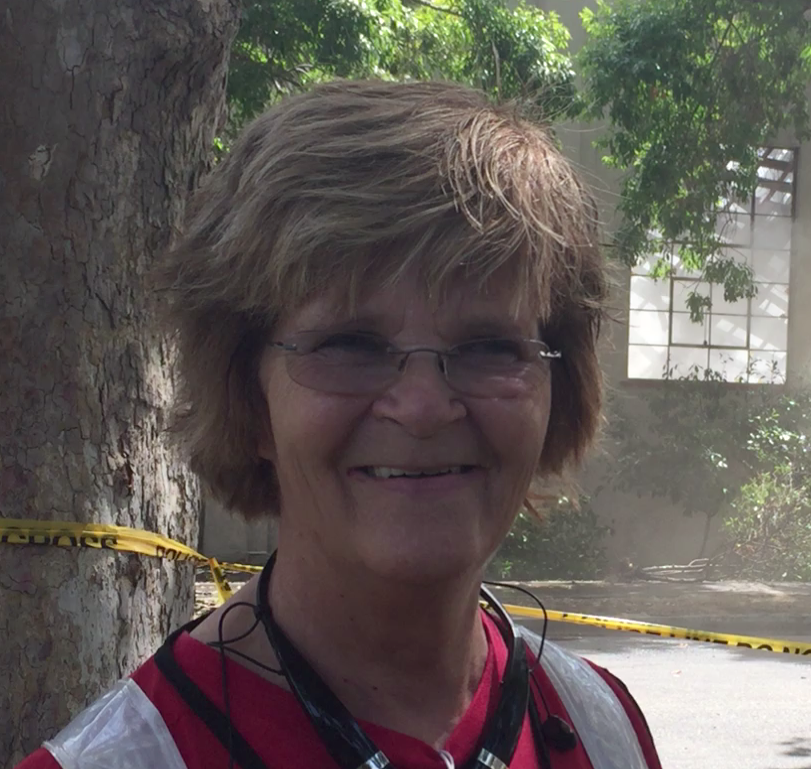
Volunteer Kathy Pascoe has been serving and helping our communities through the American Red Cross for 21 years. Thank you Kathy!!

Kathy Pascoe lives in Ceres.  She has been a volunteer with the Red Cross for 21 years and is part of the Disaster Action Team that responds to local disasters. Kathy is trained in health services, nursing and client case work, among other things.

From her home in Stanislaus County, Kathy is helping process paperwork online for families affected by the tropical storm. Those documents are necessary to get funding and other resources approved for the disaster victims. This is a more cost-effective way of offering assistance.

“Typhoon Soudelor is the biggest storm to hit Saipan in 30 years, and the situation is desperate,” said Kathy Pascoe, Red Cross Volunteer.  “Being virtually deployed is a great opportunity for volunteers that either can’t take time off from work to deploy, or for family reasons… they can still help those in need.

Kathy has done more than 200 case reviews from the comfort of her own home, for both the Typhoon and a month earlier for the flooding disaster in Texas.

The Red Cross responded immediately to support sheltering, feeding and damage assessment efforts by deploying numerous volunteers to this part of the U.S. Commonwealth of the Northern Mariana Islands shortly after the typhoon. We opened close to 1000 cases and provided over 22,000 meals and snacks, more than 2,000 health and mental health contacts and over 38,500 emergency relief items to the residents affected by this disaster.

Because of the extensive damage, the Red Cross created a robust relief plan to get immediate help to people who need it. The virtual support program delivers financial assistance with critical supplies to help people leave emergency shelters and begin recovering from Soudelor.

How You Can Help

Residents can help people affected by disasters like Typhoon Soudelor and countless other crises by making a gift to American Red Cross Disaster Relief. Your gift enables the Red Cross to prepare for, respond to and help people recover from disasters big and small. Go online or call 1-800-REDCROSS.

You can also become a Red Cross Volunteer. Like Kathy, you can train to help virtually and / or respond locally. Search now for opportunities to volunteer – we are always looking for people with various backgrounds, talents, and skill levels.

Disaster Operations Report – Week of August 24, 2015

Gold Country Region – Local Incident Details

This Week
17 Incidents
131 Clients

This Year
125 Incidents
1155 Clients

Mon, Aug 24 – Sacramento, CA (Sacramento – 16-155)
Incident: Fire Impact: 3 Units, 5 Adults, 4 Children
Responders: 2 Services Provided: Housing and Food

Mon, Aug 24 – Sacramento, CA (Sacramento – 16-157)
Incident: Fire Impact: 1 Unit, 2 Adults, 4 Children
Responders: 2 Services Provided: Housing, Food, and Clothing

Tue, Aug 25 – Weaverville, CA (Trinity – 16-158)
Incident: Fire Impact: 5 Adults
Responders: 1 Services Provided: Client Snacks and Canteened Clients

Wed, Aug 26 – Redding, CA (Shasta – 16-161)
Incident: Fire Impact: 3 Units, 10 Adults, 5 Children
Responders: 4 Services Provided: Housing, Food, Clothing, and Medication

Wed, Aug 26 – Chico, CA (Butte – 16-164)
Incident: Fire Impact: 3 Units, 4 Adults
Responders: 2 Services Provided: Housing, Food, Clothing, and Medication

Wed, Aug 26 – Stockton, CA (San Joaquin – 16-165)
Incident: Fire Impact: 1 Unit, 2 Adults
Responders: 2 Services Provided: Housing, Food, and Clothing

Wed, Aug 26 – Sacramento, CA (Sacramento – 16-166)
Incident: Fire Impact: 1 Unit, 1 Adult
Responders: 3 Services Provided: Housing, Food, and Clothing

Wed, Aug 26 – Modesto, CA (Stanislaus – 16-167)
Incident: Fire Impact: 1 Unit, 3 Adults
Responders: 2 Services Provided: Housing and Food

Thu, Aug 27 – Mi-Wuk Village, CA (Tuolumne – 16-168)
Incident: Fire Impact: 3 Units, 4 Adults, 4 Children
Responders: 2 Services Provided: Housing, Food, Clothing, Medication, and Mental Health

Thu, Aug 27 – Mi-Wuk Village, CA (Tuolumne – 16-169)
Incident: Fire Impact: 1 Unit, 1 Adult, 1 Child
Responders: 1 Services Provided: Food, Clothing, and Translation

Thu, Aug 27 – Oroville, CA (Butte – 16-170)
Incident: Fire Impact: 1 Unit, 2 Adults
Responders: 2 Services Provided: Housing and Food

Thu, Aug 27 – Sacramento, CA (Sacramento – 16-171)
Incident: Fire Impact: 1 Unit, 3 Adults, 1 Child
Responders: 2 Services Provided: Housing, Food, and Clothing

Thu, Aug 27 – Live Oak, CA (Sutter – 16-172)
Incident: Fire Impact: 1 Unit, 5 Adults, 2 Children
Responders: 2 Services Provided: Housing, Food, and Clothing

Fri, Aug 28 – Stockton, CA (San Joaquin – 16-174)
Incident: Fire Impact: 2 Units, 5 Adults, 1 Child
Responders: 2 Services Provided: Housing, Food, and Clothing

Fri, Aug 28 – Turlock, CA (Stanislaus – 16-175)
Incident: Fire Impact: 1 Unit, 45 Adults, 45 First responders
Responders: 4 Services Provided: Food and Canteened Responders

Fri, Aug 28 – Portola, CA (Plumas – 16-176)
Incident: Fire Impact: 2 Units, 4 Adults, 3 Children
Responders: 2 Services Provided: Food and Clothing

Sun, Aug 30 – Sacramento, CA (Sacramento – 16-181)
Incident: Fire Impact: 1 Unit, 2 Adults, 3 Children
Responders: 2 Services Provided: Housing, Food, and Clothing

Incident Statistics
Responders
Responders Active: 29
Responder Travel: 960 miles

Resources For Clients
Comfort Kits: 37
Toys: 10
Blankets: 9

Deployments
There are no deployments on record at this time.

Red Cross Saves 15 Lives and Installs 100,000 Smoke Alarms in Less Than a Year

WASHINGTON D.C. – August 13, 2015 — The American Red Cross and its partners have saved 15 lives and installed more than 100,000 smoke alarms in homes across the country during the last ten months. This accomplishment is part of a nationwide Home Fire Campaign launched last October to reduce the number of people who die or are injured during a fire in their home.

124307_EOYS_2015_Infographic_SocialMedia_1200x1200_FINAL-01“Those 100,000 smoke alarms will be out there protecting families every day for years to come, thanks to the dedication of local volunteers and partners going door-to-door to spread preparedness information in their communities,” said Russ Paulsen, the executive director, community preparedness and resilience services for the Red Cross. “We can count 15 of our neighbors who are still with us today and we know there will be more lives saved. This success lays the groundwork to more than double our efforts next year.”

Since the Home Fire Campaign began, the Red Cross and its partners have installed smoke alarms in almost 2,000 cities and towns in all 50 states. The campaign has already helped save 15 lives in five states ranging from a 3-year-old child to a 73-year-old grandmother.

“Home fires are tragic and devastating to those who experience them”, said Paulsen. “The Red Cross is committed to mobilizing volunteers and local partners to help people protect and prepare both their families and communities.”

In the Gold Country Region, we have:

  • Canvassed: 2,190 homes
  • Installed: 1,131 Smoke Alarms
  • Developed: 781 emergency plans
  • Replaced: 339 batteries

On on October 10, we’re planning to installed more than 1000 smoke alarms in just ONE DAY! Visit, http://bit.ly/Goal1000 for more information and to sign up.

The campaign is a multi-year effort to reduce the number of home fire deaths and injuries by 25 percent. Working with fire departments and community groups across the country, the Red Cross is installing smoke alarms in homes in neighborhoods at high risk for fires and teaching residents about fire prevention and preparedness.124307_EOYS_2015_Infographic_SocialMedia_1200x1200_FINAL-02

The Home Fire Campaign is powered by more than 1,800 local community partners and more than 40 national partner organizations. Key supporters include: International Association of Fire Chiefs (IAFC); Federal Emergency Management Association (FEMA); United States Fire Administration (USFA); Rebuilding Together; Buddhist Tzu Chi Foundation; Meals on Wheels America; Corporation for National and Community Service (CNCS); National Council on Independent Living (NCIL); Fire Department Safety Officers Association (FDSOA); Vision 20/20; Project Paradigm; Hope worldwide; Habitat for Humanity; Portlight Strategies, Inc.; and Lott Carey.

WHAT PEOPLE CAN DO The Red Cross asks everyone to take two simple steps to help prevent injury and death during a fire in their home – check their smoke alarms and practice fire drills at home. Every household should develop a fire escape plan and practice it several times a year and at different times of the day. The plan should include two ways to get out of every room and a place to meet outside. Consider escape ladders for sleeping areas or homes on the second floor or above.

People should also install smoke alarms on every level of the home, inside bedrooms and outside sleeping areas. The alarms should be tested every month and the batteries replaced at least once a year.

People can visit redcross.org to find out more about how to protect themselves and their loved homes from fire or contact their local Red Cross to learn about the location of local smoke alarm installation events. They can also help by volunteering their time or making a donation today to Red Cross Disaster Relief by visiting redcross.org, calling 1-800-RED CROSS or texting the word REDCROSS to 90999 to make a $10 donation. Donations to Disaster Relief will be used to prepare for, respond to and help people recover from disasters big and small. We respond to nearly 70,000 other disasters every year, from home fires to hurricanes and more. Learn more about how Disaster Relief donations have helped people affected by previous disasters including home fires.

Pillowcase Project on Fox40 News!

Ten years ago, Hurricane Katrina gave birth to a wonderful project for children – The Pillowcase Project. This preparedness education program for 3rd through 5th grade students teaches about personal and family preparedness, local hazards, and basic coping skills.

During the 10th Anniversary of Katrina, Red Cross chapters across the nation have been participating in the World’s Largest Pillowcase Projects to increase awareness of this unique project. The Gold Country region kicked off this event at Prairie Elementary School in Elk Grove.

We were so thrilled to have Fox40 showcasing the project, the students and our volunteers LIVE on the air and later on in their evening newscast. Below you can see the piece in their 6PM News.

Four Fun Facts About the Pillowcase Project:

  1. The Red Cross Pillowcase Project began in New Orleans after the disaster, where volunteers reached out to children in the community who remembered Katrina’s fury and remained afraid of storms.
  2. The Red Cross took the lead in talking with them about disasters and loss, about rebuilding their lives starting with a pillowcase and a plan. Children began to feel the strength that comes from being prepared.
  3. In the past 10 years, the Pillowcase Project has expanded to hundreds communities across the United States to help children better plan for their future. And it all begins with a pillowcase.
  4. In the Gold Country Region, we have shared the Pillowcase Project with more than 3600 students.

Check out pictures from the day on our Flickr Album.

#K10 – World’s Largest Pillowcase Project

Saturday, Aug. 29, 2015, will mark the 10th anniversary of Hurricane Katrina. The storm destroyed much of the Gulf Coast including Alabama, Louisiana and Mississippi.

In remembrance of those who lost lives, to recognize the resiliency of those who survived Hurricane Katrina and its aftermath, and to honor the volunteers who facilitated recovery, the American Red Cross is creating the World’s Largest Pillowcase Project on or before Saturday, Aug. 29.

Hurricane Katrina highlighted the need to create better prepared communities. An initiative born in post-Katrina New Orleans, “The Pillowcase Project” of the American Red Cross teaches children how to prepare for emergencies, practice what they have learned, and share their knowledge with family and friends.

The Gold Country Region has been educating children in the 24-county region since 2014 and to date we have reached more than 3600 school aged kids!

This 10th anniversary of the devastating hurricane, we will share the message of preparedness one week leading up to August 29th at Prairie Elementary School located in Elk Grove. We will be holding not one, but seven disaster preparedness workshops to increase awareness of this unique children’s project, reinforcing the importance of disaster preparedness planning.

More about The Pillowcase Project

Red Cross New Orleans CEO Kay Wilkins had learned that Loyola University students carried their valuables in pillowcases when they evacuated for Katrina. This inspired Wilkins and her team to work with an art therapist to create a program around decorating pillowcases for the children living in makeshift communities across New Orleans during Katrina recovery. Soon, their Pillowcase Project became a preparedness education program for elementary school students. After just a few years, several other Red Cross chapters adapted and implemented the program with substantial success.

In early 2013, the Walt Disney Company funded the design and development phase of a multi- year effort to build on this success by creating a standardized, state-of-the-art preparedness education program. The Pillowcase Project is now customized for use by Red Cross chapters across the United States and internationally reaching hundreds of thousands of elementary school-aged children in the classroom and in after-school settings.

Join the conversation, follow the hasthtags: #PillowcaseProject  #Katrina10 @RedCross

Huge ‘Thank you’ to Flowers Food Bakery

The wonderful team at Flowers Food Bakery, in Modesto, has done it again, and this time we want to extend our deepest appreciation to them for all of the generous gifts and services that they have and continue to provide.

Thursday, August 6th, to help survivors of the Mad River and Fork Fire Complexes, Flowers Food made a special delivery to our shelters that were open in Trinity County. Breakfast and snack items were served to everyone!

Last year during the King, Boles and Applegate fires the wonderful team went above and beyond to bring the community together during their time of need.

They delivered product to our emergency command center in Sacramento and to our shelter in Applegate. They even went as far as to host an amazing barbecue lunch for the volunteers and staff!

These acts of kindness fall right in line with the American Red Cross values; compassionate, collaborative, creative, credible and committed! We are truly grateful!

International Youth Day: Carolyn’s Powerful Survival Story

August 12 is International Youth Day! And the American Red Cross is celebrating our young partners like Carolyn Strzalka, President of the Red Cross Club at the University of Michigan. Carolyn is a blood recipient, a donor and a Red Cross volunteer.

Here’s Carolyn’s Inspiring Story:

Carolyn-Strzalka In high school I was an active student. I volunteered regularly at a local animal shelter and organized local food donation drives in addition to working hard on my studies. As varsity soccer captain, I ate healthy and exercised, making sure to take care of my health. So when I turned 18 and started experiencing sharp abdominal pains I knew something was not right.

When my doctor told me that I needed to have my gall bladder removed two days before moving into my college dorm I was nervous I would miss out on all the welcome week activities. As a stubborn 18 year old, I adamantly told him that after my cholecystectomy I would be going off to college. He explained to me the surgery was an out-patient surgery and I should be recovered enough to partake in any non-strenuous activities. But the day after I moved into my dorm room I knew something was not right. After not being able to keep any food down and almost fainting walking back to my dorm room I called my mom and asked her to take me to the hospital.

In the emergency room, the physicians told my parents that there was a very low chance that I would survive. I had been internally bleeding into my stomach for 3 days and my red blood cell levels were at a third of what they should have been. He suggested I receive two blood transfusions, but cautioned my parents that it may already be too late. Fortunately, the blood transfusions saved my life.

I am beyond thankful for the blood donors whose donations have allowed me to be alive today. These donors have a special place in my heart because I have type O negative blood and can only receive blood from other type O negative people.

After this experience I wanted to give back to blood donors who helped save lives like mine. However, after receiving a blood transfusion you are not able to donate blood for a year. So I began volunteering at blood drives to let people know how much their donation meant to people like me. While volunteering I got to hear inspiring stories about why other people donated blood, including stories from people who donate blood every 56 days. After experiencing the need for blood donations first hand, I now am inspired to donate every 56 days as well.

How to Get Involved:

Join Carolyn by choosing to make a difference in your community this summer with the Red Cross, either through blood donation, taking a babysitting class or volunteering. You can find more ways to get involved at RedCrossYouth.org. #ChooseYourDay

Dakota Bradley Named Ambassador for Red Cross Fire Mission

After losing his childhood home in a house fire at the age of 15, singer/songwriter Dakota Bradley has a personal connection to those who know all too well what the fire takes from people.  Growing up in St. Louis, MO, Bradley moved to Nashville, TN at the age of 16 after his family lost everything in a house fire. This life-changing experience is the inspiration behind Bradley’s passion to partner with the American Red Cross and to serve as an Ambassador for our home fire campaign to reduce fire deaths and injuries by 25%.

“Losing my home in a fire was devastating. I am honored to partner with the American Red Cross in hopes to prevent similar tragedies, as well as a way to help fire victims,” says Bradley.

https://www.youtube.com/embed/o6cAgtjmccA“>

To kick off the yearlong giving campaign, Bradley will donate $0.50 to the American Red Cross for every digital purchase of “Name On It” sold between now and September 30, 2015. You can download his new single by visiting iTunes.  Your gift to Home Fire Relief enables the Red Cross to provide critical services to people impacted by home fires along with the lifesaving tools and information to support home fire prevention efforts.

https://www.youtube.com/embed/4k44KSPjcUs“>


Red Cross Renews Memorandum of Agreement with FEMA

Red_Cross_FEMA_Image

The American Red Cross has renewed its Memorandum of Agreement (MOA) with the Federal Emergency Management Agency (FEMA). The MOA is aimed at defining the overarching goals of the relationship between the two organizations. The Red Cross and FEMA last signed an MOA in 2010. The 2010 MOA focused on the collaboration between the two organizations in coordinating and delivering mass care services during disaster responses, and specifically on the Red Cross role as co-lead for mass care portion of Emergency Support Function-6, one of 15 Emergency Support Functions identified in the National Response Framework.

Since 2010, both FEMA and the Red Cross have enhanced their perspective to include all phases of the disaster cycle. In 2011, President Obama signed Presidential Policy Directive 8, which tasked FEMA with coordinating the production of National Planning Frameworks across the disaster cycle, including prevention, protection, mitigation, response, and recovery. In 2012, the Red Cross undertook a business process reengineering effort that resulted in alignment of its disaster preparedness, response, and recovery mission areas.

While the MOA still addresses the Red Cross co-lead role in Emergency Support Function-6, it also recognizes the important role the Red Cross plays in other Emergency Support Functions, Recovery Support Functions, and preparedness functions.

“This renewed MOA is a great reflection of Disaster Cycle Services and the goals and vision we set with re-engineering,” said Richard Reed, Senior Vice-President for Disaster Cycle Services.  “Working together with FEMA, we expanded our agreement to ensure our partnership covered the entire disaster cycle.  And we now have an agreement that is not only more strategic in nature but also speaks to the specifics of how our two organizations work together in preparedness, response and recovery.”

The MOA can be found on the Government MOU Index on The Exchange.  Contact the Emergency Management Coordination unit with questions.

Service to the Armed Forces Reconnection Workshop

Author: Fatima Yusuf (Summer Intern)

When soldiers return home, they can have a a joyous yet, sometimes a stressful time adjusting to their new life after service. While most military families are excited to see their beloved ones return from deployment, many are faced with the challenges of rebuilding relationships within their homes and community.

The American Red Cross in partnership with Walmart has been providing “Reconnection Workshops” for military families allowing for positive reunions for military families and their returning deployed military loved ones.

The workshops are free and are run by actively licensed and specially trained Red Cross mental health volunteers. Topics that are discussed include: managing anger, supporting children, post traumatic stress disorder, building communication, and other topics critical to reunion adjustment. This workshop is a complement of the “Red Cross Coping with Deployments: Psychological First Aid for Military Families” program which focuses on building resiliency and coping with challenges of the deployment cycle. Both programs have shown a remarkable amount of progress in providing service members and their families a tool to grow in terms of their relationships. The workshop in all it’s glory demonstrates how a positive environment to communicate can lead a long way in comforting our service members as they return back to their beloved homeland.

Tobrin Hewitt, Service to the Armed Forces Program Manager of the American Red Cross Gold Country Region shared his perspective on the program in an interview:

  1. Why is the “Reconnection Workshop” a program families should consider during the return of deployed military family members?

“A lot of service members return home from deployments and successfully readjust to their lives and within their community; however, some solders have a harder time transitioning back from the high tempo of a deployment. Some of the challenges that service members face include readjusting to their partners, engaging children, redefining the family routine, and managing health problems that can be present after deployment.”

  1. What is the most rewarding part of the program for most families?

“The tools that service members gain from these workshops which are instrumental in rebuilding positive relationships with their own families and society.”

  1. How is the program usually run and what can attendees expect from a session?

“The workshops are small groups (3-12) and they are 90 minutes long. One of five topics that will be discussed will be selected based on the needs of the individual group during each specific workshop session. Some important topics include communicating clearly, exploring stress and trauma, identifying depression, relating to children, and working through anger.”

  1. Is there anything crucial that the attendees should consider or prepare for before they attend a session?

“The workshops are geared towards participation so including service members personal experiences helps towards the overall effectiveness of the workshop.”

The workshop is available to all service members and their family members interested in seeking post-deployment support.

For more information visit our website or contact SAF Manager Tobrin Hewitt.