Help on the Ground and From Six Thousand Miles Away

Typhoon Soundelor destroyed homes, toppled trees and snapped utility poles on the 48-square mile island of Saipan. The island is close to six thousand miles away from Stanislaus County, but distance doesn’t play a role in how the Red Cross provides assistance to the people affected by this disaster.

As part of a new virtual deployment program, Red Cross volunteers from this region are now helping people affected by natural disasters across the country and around the world without ever leaving their homes.
KathyPascoe1
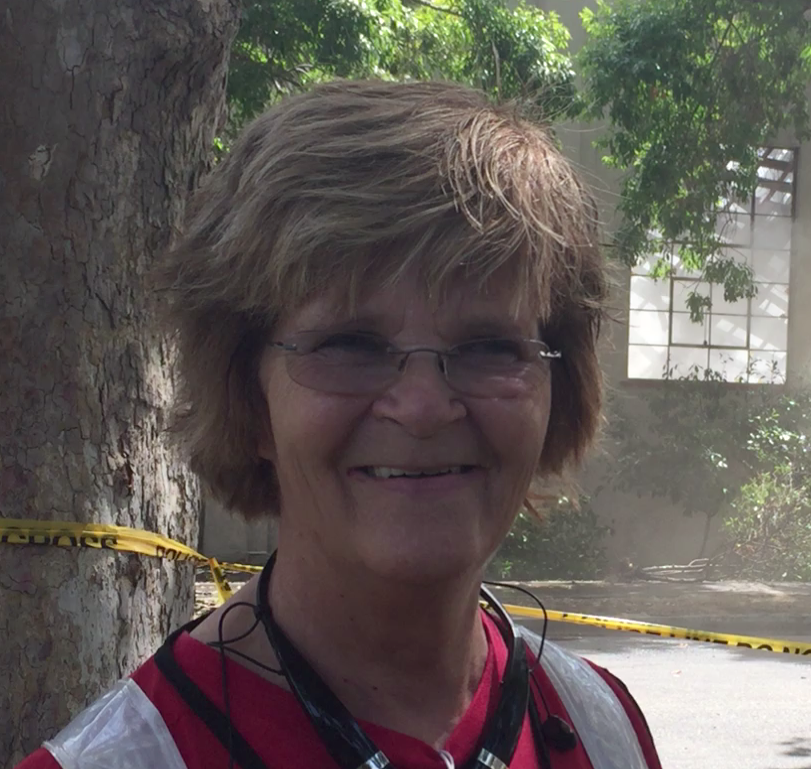
Volunteer Kathy Pascoe has been serving and helping our communities through the American Red Cross for 21 years. Thank you Kathy!!

Kathy Pascoe lives in Ceres.  She has been a volunteer with the Red Cross for 21 years and is part of the Disaster Action Team that responds to local disasters. Kathy is trained in health services, nursing and client case work, among other things.

From her home in Stanislaus County, Kathy is helping process paperwork online for families affected by the tropical storm. Those documents are necessary to get funding and other resources approved for the disaster victims. This is a more cost-effective way of offering assistance.

“Typhoon Soudelor is the biggest storm to hit Saipan in 30 years, and the situation is desperate,” said Kathy Pascoe, Red Cross Volunteer.  “Being virtually deployed is a great opportunity for volunteers that either can’t take time off from work to deploy, or for family reasons… they can still help those in need.

Kathy has done more than 200 case reviews from the comfort of her own home, for both the Typhoon and a month earlier for the flooding disaster in Texas.

The Red Cross responded immediately to support sheltering, feeding and damage assessment efforts by deploying numerous volunteers to this part of the U.S. Commonwealth of the Northern Mariana Islands shortly after the typhoon. We opened close to 1000 cases and provided over 22,000 meals and snacks, more than 2,000 health and mental health contacts and over 38,500 emergency relief items to the residents affected by this disaster.

Because of the extensive damage, the Red Cross created a robust relief plan to get immediate help to people who need it. The virtual support program delivers financial assistance with critical supplies to help people leave emergency shelters and begin recovering from Soudelor.

How You Can Help

Residents can help people affected by disasters like Typhoon Soudelor and countless other crises by making a gift to American Red Cross Disaster Relief. Your gift enables the Red Cross to prepare for, respond to and help people recover from disasters big and small. Go online or call 1-800-REDCROSS.

You can also become a Red Cross Volunteer. Like Kathy, you can train to help virtually and / or respond locally. Search now for opportunities to volunteer – we are always looking for people with various backgrounds, talents, and skill levels.

“Don’t Wait, Communicate. Make Your Emergency Plan Today” – National Preparedness Month

124421 NPM 2015 Social Media Tip1This September, the American Red Cross joins in celebrating National Preparedness Month (NPM) 2015. The national theme for this year’s National Preparedness Month (NPM) is “Don’t Wait, Communicate. Make Your Emergency Plan Today”. Across the country, people are being asked to make their disaster plan now. Full details are available on the national campaign on the Ready.Gov NPM campaign page.

View President Barack Obama’s 2015 National Preparedness Month Presidential Proclamation: http://1.usa.gov/1JJZb6k

The American Red Cross Gold Country Region encourages everyone to be ready for emergencies like home fires by creating a disaster plan for their household during National Preparedness Month.

“Having an emergency plan is an important step so everyone in the household knows what they should do if something happens,” said Lilly Wyatt, Red Cross Gold Country Region Regional Communications Director.  “We believe people should mark National Preparedness Month by creating or updating their plan.”

HOME FIRES National Preparedness Month is a good time to develop a fire escape plan and practice it with everyone in the household. When developing the plan, walk through the home and look at all exits and possible escape routes, including windows. List two ways to get out of every room in case fire blocks one of the paths. Pick a place to meet outside, a safe distance away and – no matter the circumstances – stay out of the home until fire officials say it is okay to go back inside. All households should practice their plan at least twice a year.

People should also install smoke alarms on every level of their home, inside bedrooms and outside sleeping areas. They should test the alarms monthly, replace the batteries at least once a year and replace them every ten years.

MAKE A PLAN Everyone in the household should help put the emergency plan together so they know what they should do if something occurs. Because everyone  may not be together at home when a disaster happens,  the plan should include ways to contact one another and two places to meet – one near the home in case of a sudden emergency like a fire, and one outside the neighborhood in case circumstances prevent people from returning home. The plan should also identify an emergency contact person from outside the area in case local telephone lines are overloaded or out of service.

Any emergency plan should also include decisions about where to go if ordered to evacuate and what route to take to get there. It’s a good idea to include alternate routes in case roads are closed. Don’t forget family pets. Make sure to include plans for them such as pet-friendly hotels and animal shelters along the evacuation route.

RED CROSS APPS The Red Cross has developed mobile apps that provide information on what to do before, during and after emergencies. The all-inclusive Emergency App and other preparedness apps have a “Make a Plan” feature on how to develop an emergency plan. Users can develop their plan and share it with household members through the apps.

People can also download the Monster Guard App so 7 to 11 year-olds will have a free, fun gaming environment to learn how to prevent emergencies like home fires and stay safe in an emergency or severe weather. The free apps can be found in smartphone app stores by searching for the American Red Cross or going to redcross.org/apps.

Disaster Operations Report – Week of August 24, 2015

Gold Country Region – Local Incident Details

This Week
17 Incidents
131 Clients

This Year
125 Incidents
1155 Clients

Mon, Aug 24 – Sacramento, CA (Sacramento – 16-155)
Incident: Fire Impact: 3 Units, 5 Adults, 4 Children
Responders: 2 Services Provided: Housing and Food

Mon, Aug 24 – Sacramento, CA (Sacramento – 16-157)
Incident: Fire Impact: 1 Unit, 2 Adults, 4 Children
Responders: 2 Services Provided: Housing, Food, and Clothing

Tue, Aug 25 – Weaverville, CA (Trinity – 16-158)
Incident: Fire Impact: 5 Adults
Responders: 1 Services Provided: Client Snacks and Canteened Clients

Wed, Aug 26 – Redding, CA (Shasta – 16-161)
Incident: Fire Impact: 3 Units, 10 Adults, 5 Children
Responders: 4 Services Provided: Housing, Food, Clothing, and Medication

Wed, Aug 26 – Chico, CA (Butte – 16-164)
Incident: Fire Impact: 3 Units, 4 Adults
Responders: 2 Services Provided: Housing, Food, Clothing, and Medication

Wed, Aug 26 – Stockton, CA (San Joaquin – 16-165)
Incident: Fire Impact: 1 Unit, 2 Adults
Responders: 2 Services Provided: Housing, Food, and Clothing

Wed, Aug 26 – Sacramento, CA (Sacramento – 16-166)
Incident: Fire Impact: 1 Unit, 1 Adult
Responders: 3 Services Provided: Housing, Food, and Clothing

Wed, Aug 26 – Modesto, CA (Stanislaus – 16-167)
Incident: Fire Impact: 1 Unit, 3 Adults
Responders: 2 Services Provided: Housing and Food

Thu, Aug 27 – Mi-Wuk Village, CA (Tuolumne – 16-168)
Incident: Fire Impact: 3 Units, 4 Adults, 4 Children
Responders: 2 Services Provided: Housing, Food, Clothing, Medication, and Mental Health

Thu, Aug 27 – Mi-Wuk Village, CA (Tuolumne – 16-169)
Incident: Fire Impact: 1 Unit, 1 Adult, 1 Child
Responders: 1 Services Provided: Food, Clothing, and Translation

Thu, Aug 27 – Oroville, CA (Butte – 16-170)
Incident: Fire Impact: 1 Unit, 2 Adults
Responders: 2 Services Provided: Housing and Food

Thu, Aug 27 – Sacramento, CA (Sacramento – 16-171)
Incident: Fire Impact: 1 Unit, 3 Adults, 1 Child
Responders: 2 Services Provided: Housing, Food, and Clothing

Thu, Aug 27 – Live Oak, CA (Sutter – 16-172)
Incident: Fire Impact: 1 Unit, 5 Adults, 2 Children
Responders: 2 Services Provided: Housing, Food, and Clothing

Fri, Aug 28 – Stockton, CA (San Joaquin – 16-174)
Incident: Fire Impact: 2 Units, 5 Adults, 1 Child
Responders: 2 Services Provided: Housing, Food, and Clothing

Fri, Aug 28 – Turlock, CA (Stanislaus – 16-175)
Incident: Fire Impact: 1 Unit, 45 Adults, 45 First responders
Responders: 4 Services Provided: Food and Canteened Responders

Fri, Aug 28 – Portola, CA (Plumas – 16-176)
Incident: Fire Impact: 2 Units, 4 Adults, 3 Children
Responders: 2 Services Provided: Food and Clothing

Sun, Aug 30 – Sacramento, CA (Sacramento – 16-181)
Incident: Fire Impact: 1 Unit, 2 Adults, 3 Children
Responders: 2 Services Provided: Housing, Food, and Clothing

Incident Statistics
Responders
Responders Active: 29
Responder Travel: 960 miles

Resources For Clients
Comfort Kits: 37
Toys: 10
Blankets: 9

Deployments
There are no deployments on record at this time.

Red Cross Saves 15 Lives and Installs 100,000 Smoke Alarms in Less Than a Year

WASHINGTON D.C. – August 13, 2015 — The American Red Cross and its partners have saved 15 lives and installed more than 100,000 smoke alarms in homes across the country during the last ten months. This accomplishment is part of a nationwide Home Fire Campaign launched last October to reduce the number of people who die or are injured during a fire in their home.

124307_EOYS_2015_Infographic_SocialMedia_1200x1200_FINAL-01“Those 100,000 smoke alarms will be out there protecting families every day for years to come, thanks to the dedication of local volunteers and partners going door-to-door to spread preparedness information in their communities,” said Russ Paulsen, the executive director, community preparedness and resilience services for the Red Cross. “We can count 15 of our neighbors who are still with us today and we know there will be more lives saved. This success lays the groundwork to more than double our efforts next year.”

Since the Home Fire Campaign began, the Red Cross and its partners have installed smoke alarms in almost 2,000 cities and towns in all 50 states. The campaign has already helped save 15 lives in five states ranging from a 3-year-old child to a 73-year-old grandmother.

“Home fires are tragic and devastating to those who experience them”, said Paulsen. “The Red Cross is committed to mobilizing volunteers and local partners to help people protect and prepare both their families and communities.”

In the Gold Country Region, we have:

  • Canvassed: 2,190 homes
  • Installed: 1,131 Smoke Alarms
  • Developed: 781 emergency plans
  • Replaced: 339 batteries

On on October 10, we’re planning to installed more than 1000 smoke alarms in just ONE DAY! Visit, http://bit.ly/Goal1000 for more information and to sign up.

The campaign is a multi-year effort to reduce the number of home fire deaths and injuries by 25 percent. Working with fire departments and community groups across the country, the Red Cross is installing smoke alarms in homes in neighborhoods at high risk for fires and teaching residents about fire prevention and preparedness.124307_EOYS_2015_Infographic_SocialMedia_1200x1200_FINAL-02

The Home Fire Campaign is powered by more than 1,800 local community partners and more than 40 national partner organizations. Key supporters include: International Association of Fire Chiefs (IAFC); Federal Emergency Management Association (FEMA); United States Fire Administration (USFA); Rebuilding Together; Buddhist Tzu Chi Foundation; Meals on Wheels America; Corporation for National and Community Service (CNCS); National Council on Independent Living (NCIL); Fire Department Safety Officers Association (FDSOA); Vision 20/20; Project Paradigm; Hope worldwide; Habitat for Humanity; Portlight Strategies, Inc.; and Lott Carey.

WHAT PEOPLE CAN DO The Red Cross asks everyone to take two simple steps to help prevent injury and death during a fire in their home – check their smoke alarms and practice fire drills at home. Every household should develop a fire escape plan and practice it several times a year and at different times of the day. The plan should include two ways to get out of every room and a place to meet outside. Consider escape ladders for sleeping areas or homes on the second floor or above.

People should also install smoke alarms on every level of the home, inside bedrooms and outside sleeping areas. The alarms should be tested every month and the batteries replaced at least once a year.

People can visit redcross.org to find out more about how to protect themselves and their loved homes from fire or contact their local Red Cross to learn about the location of local smoke alarm installation events. They can also help by volunteering their time or making a donation today to Red Cross Disaster Relief by visiting redcross.org, calling 1-800-RED CROSS or texting the word REDCROSS to 90999 to make a $10 donation. Donations to Disaster Relief will be used to prepare for, respond to and help people recover from disasters big and small. We respond to nearly 70,000 other disasters every year, from home fires to hurricanes and more. Learn more about how Disaster Relief donations have helped people affected by previous disasters including home fires.

Pillowcase Project on Fox40 News!

Ten years ago, Hurricane Katrina gave birth to a wonderful project for children – The Pillowcase Project. This preparedness education program for 3rd through 5th grade students teaches about personal and family preparedness, local hazards, and basic coping skills.

During the 10th Anniversary of Katrina, Red Cross chapters across the nation have been participating in the World’s Largest Pillowcase Projects to increase awareness of this unique project. The Gold Country region kicked off this event at Prairie Elementary School in Elk Grove.

We were so thrilled to have Fox40 showcasing the project, the students and our volunteers LIVE on the air and later on in their evening newscast. Below you can see the piece in their 6PM News.

Four Fun Facts About the Pillowcase Project:

  1. The Red Cross Pillowcase Project began in New Orleans after the disaster, where volunteers reached out to children in the community who remembered Katrina’s fury and remained afraid of storms.
  2. The Red Cross took the lead in talking with them about disasters and loss, about rebuilding their lives starting with a pillowcase and a plan. Children began to feel the strength that comes from being prepared.
  3. In the past 10 years, the Pillowcase Project has expanded to hundreds communities across the United States to help children better plan for their future. And it all begins with a pillowcase.
  4. In the Gold Country Region, we have shared the Pillowcase Project with more than 3600 students.

Check out pictures from the day on our Flickr Album.

#K10 – World’s Largest Pillowcase Project

Saturday, Aug. 29, 2015, will mark the 10th anniversary of Hurricane Katrina. The storm destroyed much of the Gulf Coast including Alabama, Louisiana and Mississippi.

In remembrance of those who lost lives, to recognize the resiliency of those who survived Hurricane Katrina and its aftermath, and to honor the volunteers who facilitated recovery, the American Red Cross is creating the World’s Largest Pillowcase Project on or before Saturday, Aug. 29.

Hurricane Katrina highlighted the need to create better prepared communities. An initiative born in post-Katrina New Orleans, “The Pillowcase Project” of the American Red Cross teaches children how to prepare for emergencies, practice what they have learned, and share their knowledge with family and friends.

The Gold Country Region has been educating children in the 24-county region since 2014 and to date we have reached more than 3600 school aged kids!

This 10th anniversary of the devastating hurricane, we will share the message of preparedness one week leading up to August 29th at Prairie Elementary School located in Elk Grove. We will be holding not one, but seven disaster preparedness workshops to increase awareness of this unique children’s project, reinforcing the importance of disaster preparedness planning.

More about The Pillowcase Project

Red Cross New Orleans CEO Kay Wilkins had learned that Loyola University students carried their valuables in pillowcases when they evacuated for Katrina. This inspired Wilkins and her team to work with an art therapist to create a program around decorating pillowcases for the children living in makeshift communities across New Orleans during Katrina recovery. Soon, their Pillowcase Project became a preparedness education program for elementary school students. After just a few years, several other Red Cross chapters adapted and implemented the program with substantial success.

In early 2013, the Walt Disney Company funded the design and development phase of a multi- year effort to build on this success by creating a standardized, state-of-the-art preparedness education program. The Pillowcase Project is now customized for use by Red Cross chapters across the United States and internationally reaching hundreds of thousands of elementary school-aged children in the classroom and in after-school settings.

Join the conversation, follow the hasthtags: #PillowcaseProject  #Katrina10 @RedCross

Fallen Firefighter

By Jeremiah Norrell, El Dorado DAT Volunteer Coordinator

Some of you may have heard about the unfortunate passing of Shingle Springs firefighter Michael Hallenbeck who died fighting a lightning –caused fire south of Echo Summit on August 8. I knew Michael or Mikey as he was called. He was a great kid… light-hearted and fun to be around. It is a tragic and sudden loss for his family and for our community.

RIP - Michael Hallenbeck, Fallen Firefighter
RIP – Michael Hallenbeck, Fallen Firefighter

Last week, the Red Cross was invited to support the procession for the 21-year-old fallen hero by Georgetown fire Chief Schwab. We were honored and said yes right away.

The procession was held on Thursday, August 13 and American Red Cross volunteers and staff were happy to be there and offer canteening support with coffee and danishes at the stating areas for the procession in South Lake Tahoe and brought some of our Emergency Response Vehicles to showcase how much we care.

Thanks to the Placer and Sacramento DAT Teams as well as the El Dorado County Amateur Radio Club that Mikey’s father is a member of for coming out and demonstrating gratitude and solidarity to this local hero and his family.

Generation Y and IHL: Why Should Millennials Care?

Post by  Jessica Lach, IHL Youth Education Intern. Originally posted on the Humanity in War blog.


DeathtoStock_SlowDown2-300x200Millennials, the generation born between 1980 and the mid-2000s, are said to be full of complexities and firsts. Born in 1994, I consider myself a true millennial because I check most of the required boxes: I had Internet access during my formative years and social media as I grew into adulthood, and I learned all about the economy by watching the effects of the 2008 Global Economic Recession. Most importantly, me and my generation have been overexposed to media more so than any other generation preceding us. Despite all the information we are regularly thrown, we sometimes have skewed perspectives, especially when it comes to putting International Humanitarian Law into context.

A New Way of Getting and Processing Information

Millennials are the first generation to collectively form a true companionship with something lacking a living pulse — in other words, our smartphones have become a part of our daily lives and regular communications. Not only are our smartphones an extension of ourselves, but they are how we see the world we are living in. I know I am not the only one guilty of checking my social media news feeds before I even get out of bed in the morning. After all, about “six-in-ten online Millennials (61%) report getting [political] news on Facebook in a given week, a much larger percentage than turn to any other news source, according to a new Pew Research Center analysis”. From the comfort of bed, I can become fully aware of what the weather is like, how political situations across the world are panning out, and, most importantly, what a Kardashian sister ordered from Starbucks. New technological apps have simply become parts of our daily routines. Having progressed from Myspace home pages and then Facebook timelines, to Twitter feeds and Instagram posts, we Millennials have now found ourselves getting a look at daily life from 10-second Snapchat stories. From Snapchat, members of Generation Y have learned about the Greek referendum and other world events through the eyes of people much like ourselves. Furthermore, we are a generation that relaxes to the welcome screen of Netflix and opening chime of Xbox.

A Skewed Version of Reality, Including Rules of War

DeathtoStock_Wired10-300x200However, with the movies and video games which we regularly expose ourselves to through these and other services, a lot of what we see is not entirely accurate when it comes to properly portraying the rules of war. Common dystopian novels and movies, like The Hunger Games and Batman, regularly show scenes of destruction to civilian compounds and even the use of child soldiers, both of which are prohibited under IHL. Popular video games also tend to portray a world of warfare that skews the reality of what a wartime conflict is like and the real protections that are in place. I facilitated a Raid Cross activity once, during which my team and I hosted an open discussion about what the rules of war include. Throughout this discussion, many students tried to tell us that it was okay to take items off of deceased soldiers since this action is permitted in the popular video game Call of Duty.

Before I learned about IHL, I never really thought that rules of war existed, especially since modern media rarely displays them. Although I know fiction is merely fiction, when something is regularly portrayed, it can be easy to apply it to real life. For example, regularly watching movies like The Hunger Games may lead young people to believe that children carrying and firing weaponry is normal, whereas it is prohibited under IHL. The Call of Duty instance above is another example.

DeathtoStock_Medium6-300x199


Why Understanding IHL Protections Is Critical

Though Millennials are a generation of information seekers and seem to always be plugged in, the result is that we can easily skew information and not fully understand the true implications of what we are exposed to in the media. When prompted with the question of “Why should Millennials care about IHL?”, the answer is simple: we are exposed to wartime conflicts more so than any other generation before us was from the media, meaning it is important that we understand the protections granted under IHL. It is imperative that we understand that what we see in the media is not always legal, not only because the rules of war are important but also because they may be vital to the strangers we see gracing our Snapchat stories an ocean away. As Millennials, we watch snippets about life on the frontlines on our Facebook timelines and then sit down and relax to Game of Thrones, all while forgetting that there are rules of war that, in effect, help shape the conflicts of our day. Though we are a generation known for our overexposure, we are also one of great conviction- a similar conviction that was found in the creation of the Geneva Conventions decades ago.

What to Do If a Wildfire Threatens

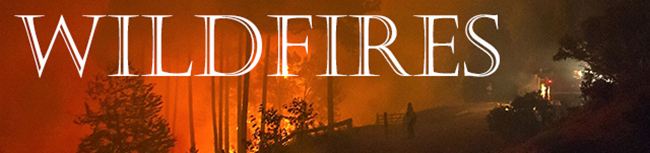
Wildfires-Header-jpgWildfire season has been a year-round threat in California due to the extreme four-year drought. According to the National Interagency Coordination Center (NICC), almost 20 large fires are burning now and more than 100 new fires have been reported.

The American Red Cross is helping people impacted by several fires burning in the Golden State and offers safety tips on how to better protect yourself and your loved ones from a wildfire.

Currently, the Gold Country region alone has been operating two shelters in Trinity County due to the Mad River Complex Fires and the Fork Complex Fires.

WILDFIRE SAFETY

  • Learn about wildfire risks in your area or the region where you are planning to vacation.
  • Download the free Red Cross Emergency App to learn more about wildfires and set up alerts.
  • Talk with members of your household about wildfires – how to prevent them and what to do if one occurs.
  • Select a place for family members to meet outside your neighborhood in case you cannot get home or need to evacuate.
  • Identify someone who is out of the area to contact if local phone lines are not working.
  • Post emergency numbers by every phone, or enter them into your cell phones.
  • Make a plan and practice it. Plan and practice two ways out of your neighborhood or vacation area in case your primary route is blocked.
  • Firewood should be stacked at least 30 feet uphill from your home or camping spot. Clear combustible material within 20 ft. of the stack. Fire tends to travel uphill, so keep highly combustible firewood and other materials above your home or vacation area.

IF A WILDFIRE THREATENS

  • Be ready to leave at a moment’s notice.
  • Listen to local radio and television stations for updated emergency information.
  • Always back your car into the garage or park it in an open space facing the direction of escape.
  • Confine pets to one room or spot so that you can find them if you need to evacuate quickly.
  • Arrange for temporary housing at a friend or relative’s home outside the threatened area.
  • Keep indoor air clean by closing windows and doors to prevent outside smoke from getting in.
  • Use the recycle or re-circulate mode on the air conditioner in your home or car.
  • When smoke levels are high, do not use anything that burns and adds to indoor air pollution, such as candles, fireplaces and gas stoves.

DOWNLOAD EMERGENCY APP

The free Emergency App is highly customizable and informative with alerts, vital emergency information and a “Family Safe” feature to notify loved ones that an alert has been issued in their area and check to see if they are safe. Find it in your app store by searching for American Red Cross.

HOW TO HELP

Become a volunteer or make a donation to Red Cross Disaster Relief. Your donations can help provide shelter for someone who has had to leave their home and food and water for them to eat. Help people affected by disasters like wildfires, earthquakes, floods, tornadoes and countless other crises by making a gift to Red Cross Disaster Relief. Your gift enables the Red Cross to prepare for, respond to and help people recover from disasters big and small. To donate, people can visit www.redcross.org, call 1-800-RED CROSS (1-800-733-2767) or text REDCROSS to 90999 to make a $10 donation.