Giving Tuesday: Owners of Chinese Camp Store Become Valuable Partners to Community and Red Cross

On this Giving Tuesday, we are looking back at a wonderful partnership we formed in September with the owners of the Chinese Camp Store & Tavern. Richard and his wife, Add, went above and beyond to provide much-needed items, care and comfort to their neighbors who lost their homes in the TCU Wildfire Complex disaster. Support our work in disaster response and so much more with a donation at redcross.org/donate.

Story by Red Cross volunteer Barbara Wood

The American Red Cross could not help communities recover from disasters without partners in those communities. In Chinese Camp, a historic small town outside Sonora that was devastated when a lightning-sparked fire swept through on September 2, those partners included Richard and Add Beale, owners of the Chinese Camp Store & Tavern.

Ten years ago, when the Beales first noticed the “for sale” sign on the run-down store and tavern on the road from Sonora to Yosemite, they could not have imagined they would be where they are today: the well-established owners of the store and serving as the community hub for the recovery from wildfires that destroyed 50 of the homes in a community that has only 150 residents.

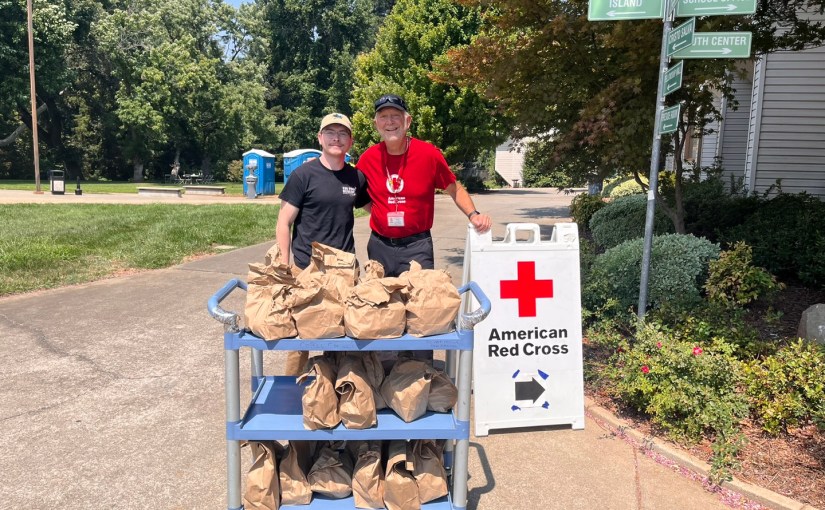
Immediately after the wildfires, the Beales tried to fill the needs of desperate residents and first responders by giving them whatever they had on the store’s shelves. Soon they welcomed the Red Cross to the store grounds to distribute food, water and supplies. Later they allowed Red Crossers to repurpose part of the store’s parking area as a place to meet with affected residents. The Red Cross provided financial and other assistance, such as replacement of medications and eyeglasses, to aid the recovery of those who lost their homes.

The picnic tables in the store’s garden became a place for the Red Cross and the community to gather, to eat, rest, work and share their stories under shade trees, with the background accompaniment of the Beale’s flock of goats, chickens and ducks, and the gentle music of a koi pond waterfall and wind chimes.

The Beales said most Chinese Camp residents want to rebuild and return to the community, despite the fact that a majority of the town’s structures have been destroyed. And those residents said a big reason is the Beales, who bought and renovated the store eight years ago, making it the center of the community.

“People around here are so kind, so nice,” Add said. They help her out when she needs it, and “they know if they need help, they can come here.”

On Sept. 2, 2025, Richard was at work in Livermore when Add called to tell him about the fire and the evacuation warnings.

“I said don’t leave, I’m coming,” and jumped in his car, Richard said. But the mandatory evacuation order came long before he made it home. He met his family in Oakdale, where they spent the night in a hotel.

The store’s generator had kicked in and the family could see the store was surviving by looking at security camera feeds on their phones. The next day, even though the roads into Chinese Camp were still closed, the family was allowed to visit there with the crew from the local Fox News station.

The power was still out that day. Not knowing how long their generator fuel would last, they hauled the store’s ice cream freezer into the parking lot. They filled it with other perishable foods and urged those who had not evacuated or were fighting the fire, to help themselves.

“That was all gone by the time we got back,” Richard Beale said.

The Beale’s had to leave with the news crew, but the next day, because “it’s so frustrating to sit and wait in a hotel,” they used back roads to avoid roadblocks and moved back into their still- standing home. They opened the doors to the store and started cleaning.

“That’s what we were aching to do, get back and start fixing things,” Richad said. Their outdoor restroom building had burned both inside and out but was intact and usable after some scrubbing.

Their generator stopped only a few hours before the power came on, but their house does not have a generator, so they lost their own food, but not the store’s stocks.

The Beales were on an unsuccessful fossil-hunting trip when they chanced upon the store and its ‘for sale’ sign. Richard, a scientist who works as the radiological operations manager at Lawrence Livermore Labs, and his family of four had been living in Tracy.

When they found it, the store was only open intermittently and “was a bit of a dump. But that’s good, so I could afford it,” Richard said.

A few years later, the family sold their Tracy home and made the big move. Their daughter was a teenager, and their son was in middle school.

Add said she was a little leery at first because she had grown up in Bangkok, Thailand and always lived in cities, and the store is miles from almost everything. “I dreamed to own a store,” she said. “I didn’t dream it (would be) in the middle of nowhere.”

But once she had researched and found school and shopping options, Add said she was all in.

By the time fires struck, the family was deeply embedded in the community and the store, especially its garden, had become a gathering place.

After the fire, Richard made a spread sheet listing the Chinese Camp residents and their needs and those who had offered to help and what they could give. He took time off the job that he said “pays the bills” so he could be there to help.

When tourists on their way to or from Yosemite asked about the fire, he urged them to donate to a fund for the residents.

In addition to household items and clothing, which were moved to Nancy’s Hope in Jamestown when a light rain hit, everything from chain saws to generators has been donated. Cases of water, boxes of food, ice chests and protective masks come and go.

“I think Add and I were able to help a lot,” Richard said. “We’ve just given out tons of things people needed.”

The residents agree. Alexis Trakas, who lost her Chinese Camp home in the fire, said Add and Richard “make a safe haven for everybody.”

“I don’t know what we’d do without them,” she said.

The Red Cross workers said the same. Darlene Avery, a Red Cross volunteer from Great Falls, Colorado, said the Beales have been “so critical” to helping the Red Cross connect with the affected residents. “They have been so helpful to us,” she said.

What will happen to Chinese Camp remains to be seen. Most residents did not have fire insurance because they could not afford it, and the community had never before been hit by a wildfire.

But they know the Chinese Camp Store & Tavern and the Beales will there when they need them.

Donate to the Red Cross today at redcross.org/donate.

Smoke alarm saves lives of Anderson resident and his cats – allowing him to keep a promise made to his late partner

By Angie Irmer, Volunteer

George Grove lives in a single-wide mobile home in Anderson, CA. In the early morning hours of May 29, 2025, he, like many people, lay asleep in bed.

George Grove and his two cats, Ollie and Cleo

As usual, Grove’s Continuous Positive Airway Pressure (CPAP) machine was on while he slept. Suddenly, above the whirring sound of the CPAP, he heard his smoke alarm.

The smoke alarm was installed a few months earlier by local volunteers with the American Red Cross through the organization’s Home Fire Campaign.

As Grove awakened, he saw his home fill with smoke.

He immediately called 9-1-1.

Grove lost his partner of 25 years approximately three years before the fire. He had made a promise to her that he would take care of their cats after she had passed away.

Still recovering from a stroke he suffered a few years ago, Grove was still able to move gather his two cats, Ollie and Cleo, and get outside to safety. 

Because the smoke alarm woke him up, Grove was able to keep his promise to his late partner, saving their beloved pets as he fled his home.

He noted how important smoke alarms are stating, “We can’t do without them.”

Since the fire, Grove has been able to repair the damage done to his home. He said he is thankful for the Red Cross and for the financial assistance provided to him by the organization which helped him in the following days.

To find out how to support the Red Cross with a financial donation, by donating blood or becoming a volunteer, click here.

A New Kind of Power: How the African American Family & Cultural Center Is Reimagining Resilience in South Oroville

By Chloe Durant, Volunteer

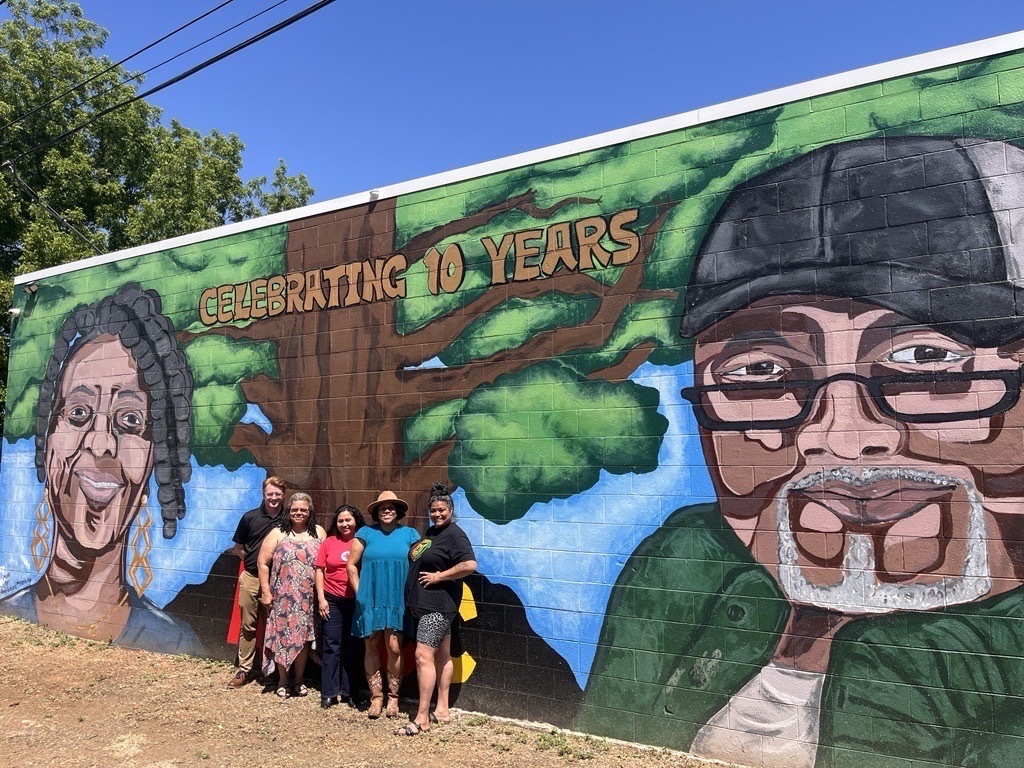
OROVILLE, CA – In South Oroville, resilience isn’t just a buzzword — it’s a way of life. At the heart of this strength stands the African American Family & Cultural Center (AAFCC), a place where preparation meets purpose and where community care isn’t just offered-it’s embedded in every decision.

With the support of the American Red Cross California Gold Country Region’s Community Adaptation Program, the AAFCC is taking a bold step forward. No longer just a vital cultural hub, it’s becoming a launchpad for a new kind of readiness, one that continues to center on equity, empowerment, and local leadership.

Redefining Readiness-On South Oroville’s Terms

“Preparedness isn’t just about surviving the storm-it’s about knowing you have a place that will hold you through it,” said AAFCC Executive Director Tiffany McMillon.

From wildfires to power outages, South Oroville has faced more than its share of challenges. But instead of folding under pressure, the community, through the AAFCC, has persevered. Today, the center is transforming into a resilience hub: solar-powered, stocked with emergency essentials, and equipped to operate when everything else goes dark. It’s not just a shelter. It’s a lifeline.

Community First, Always

The transformation wouldn’t have happened overnight without the American Red Cross. But the magic lies in how the partnership unfolded. “They didn’t come in to tell us what to do,” said McMillon. “They came in and asked, ‘What do you
need? How can we support you?’ That made all the difference.”

By investing in trusted local voices and existing networks, the Red Cross helped the AAFCC accelerate its efforts without sacrificing its vision.

Building Forward, Together

At its core, the AAFCC isn’t just preparing for the next emergency; it’s shaping the future. From leadership training to youth mentorship, from cultural celebrations to community-led planning, the center is cultivating the next generation of leaders who will carry the torch forward.

“Resilience is about more than bouncing back,” McMillon said. “It’s about knowing your power, claiming your space, and writing a new story together.”

Tomorrow Starts Here

So, what’s next? “Everything,” McMillon said. “Tomorrow looks like a community that knows its worth, that leads with heart and holds each other up. That’s what we’re building, and we’re just getting started.”

Want to be part of the change? Learn how you can support the AAFCC’s mission here.

Disaster Volunteers Needed: Help Your Neighbors When They Need It Most!

Here’s the goal: 10 New Volunteers in 10 Days — Can YOU Be One of Them? 🚨
We’re on a mission to find 10 amazing people in the next 10 days who are ready to step up and make a difference — especially as wildfire season approaches and will hit our communities hard.

We need people like YOU to:
✅ Support families after disasters
✅ Help at evacuation shelters
✅ Provide comfort and care
✅ Be a calm, compassionate presence when people need it most

No experience? We’ll train you.
Too busy? We’ll work with your schedule.
Willing to help? That’s all it takes.

There are so many ways to help! Visit redcross.org/volunteer to sign up today or scan the QR code below.

CA Gold Country Region Welcomes New Community Disaster Program Manager

By Peg Taylor, Volunteer

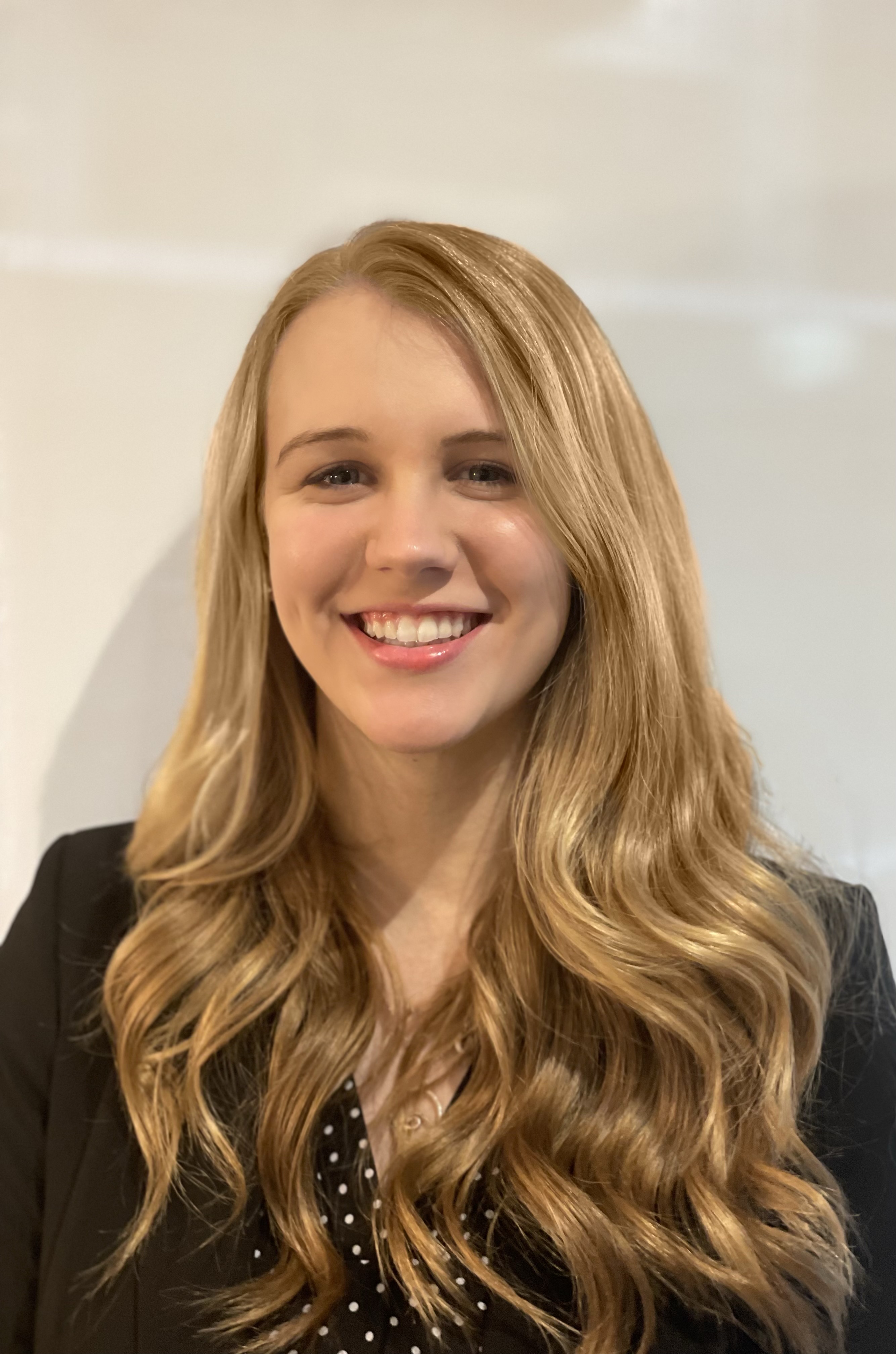
Please join us in welcoming Loryn Timian to the California Gold Country. Region of the Red Cross! Loryn is the new Community Disaster Program Manager (CDPM) who will oversee Red Cross activities in the Lake/Mendocino/Colusa counties territory.

Loryn brings a comprehensive background in emergency management. Her experience includes an assignment with FEMA AmeriCorp where she acted as the FEMA/AmeriCorp liaison to the Red Cross. Her experience also includes an assignment as a government contractor with the National Risk Management Center.

In addition to hiking, skiing and playing with her dogs, Loryn is looking forward to getting to know her volunteer team, ramping up preparedness efforts, and making connections with the communities in her territory. One of her priorities is to onboard as many volunteers as possible to strengthen the territory’s resilience.

“We welcome everyone to please come join us. This is a good opportunity to learn emergency management and support your community,” said Loryn. “In grey skies or blue skies, we have something for everyone, so please join us.”

Red Cross CAP Building Capacity with Chico Church

By Nathan Millard, Program Manager, Community Disaster Risk Reduction

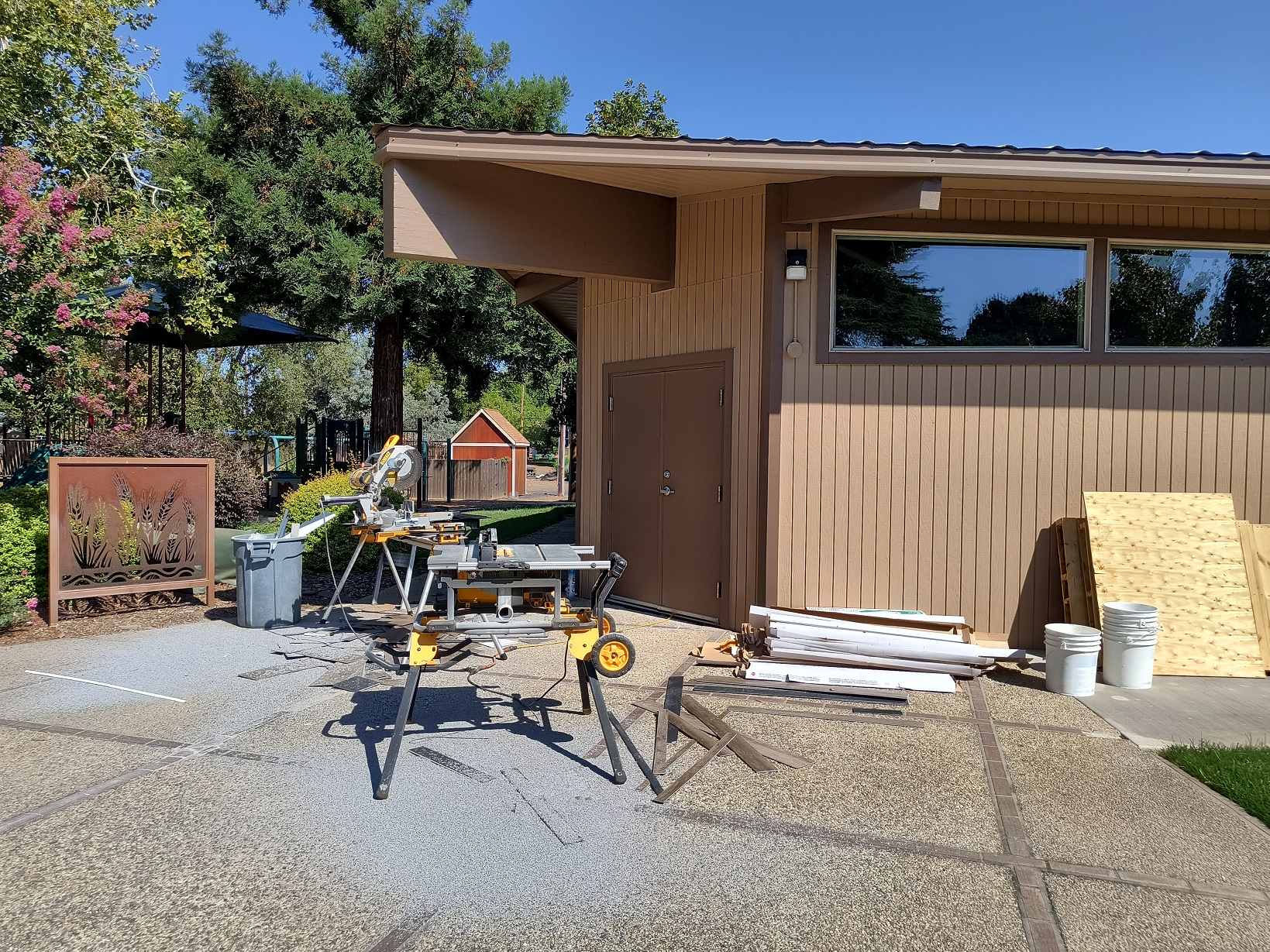
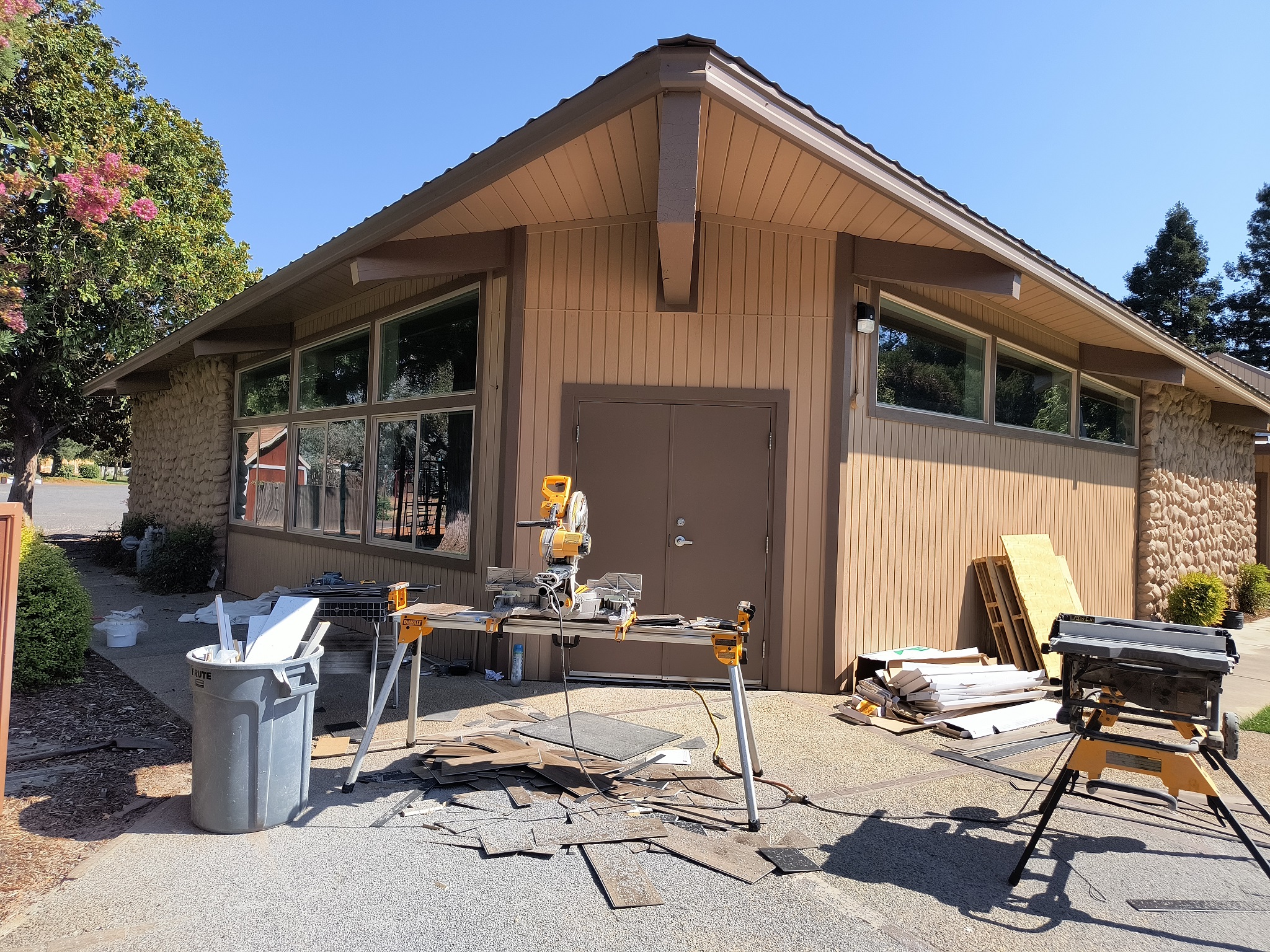
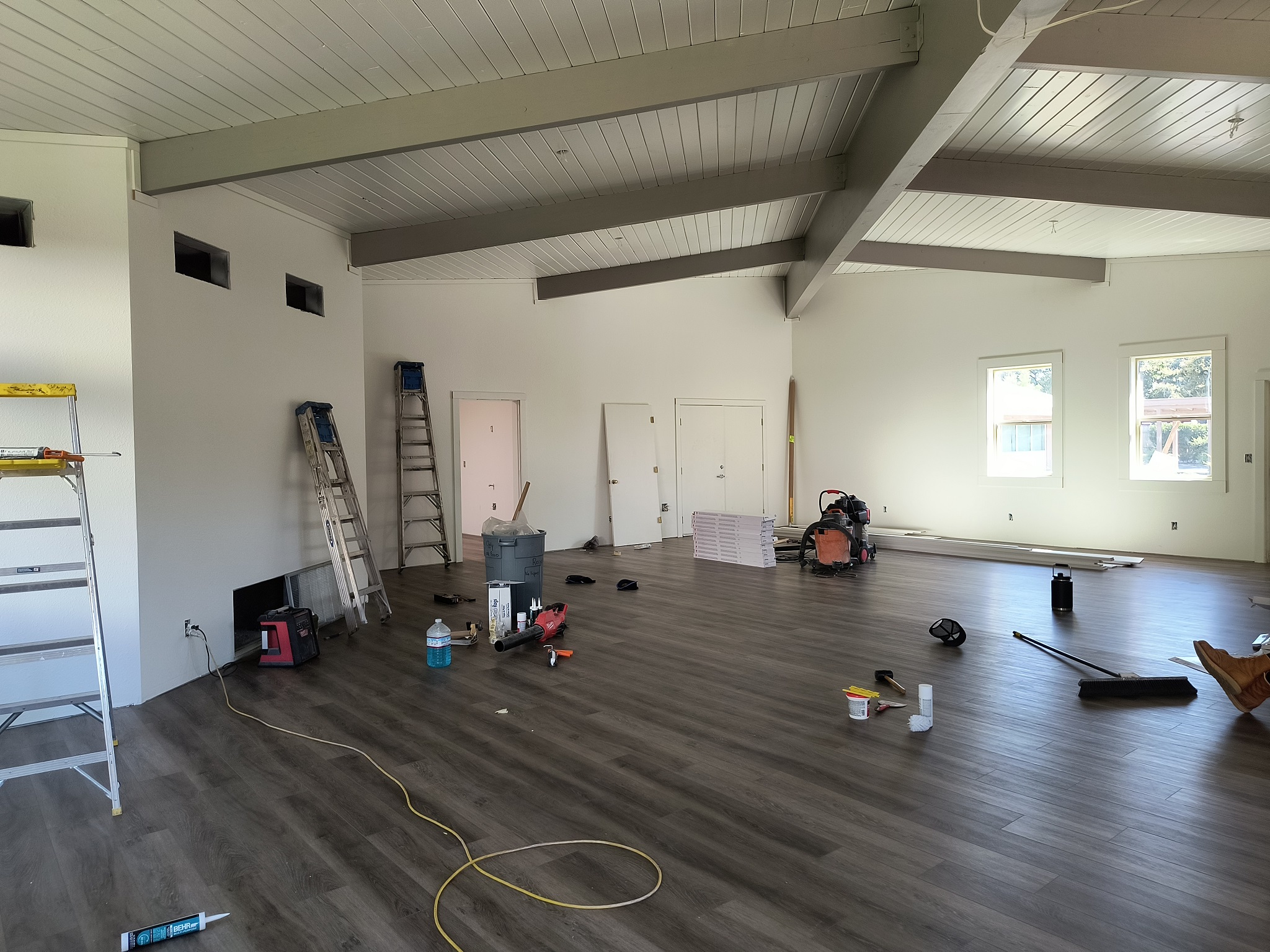
“We just installed the last piece of hardwood flooring!” they said as I walked into the hall. Sherry Wallmark, parish church administrator of St. John’s Episcopal Church in Chico, said the two-man team of certified contractors, from LaFontaine Construction and Wolfe Construction, completed the remodel within the allotted timeline—and amid excessive summer heat.

The remodel was made possible through grant funding from the American Red Cross Community Adaptation Program (CAP). Originally built in 1963, the facility within the Chico church campus will become an additional community center that is Americans with Disabilities Act (ADA)-certified with upgraded acoustics, heating, ventilation, air conditioning, as well as electrical and other safety features.

The Red Cross CAP is a new program aimed at building community resilience and empowering the community to mobilize during disaster. The Butte County CAP team has spent the last two years in the community identifying needs for community organizations to help build their capacity, capability, and continuity to operate during blue skies, but also to mobilize during response and recovery.

Most of this work has been about building relationships, healing, building trust, and listening.

St. John’s Episcopal Church is a member of the Butte Resilience Collaborative, which the CAP team helped establish with the goal of maximizing the impact of the group’s collective efforts. The Church’s location on Floral Avenue in Chico has become a hub of activity for the local community, especially during disasters and other emergencies.

The fully furnished facility will be ready for a fundraising event in a few months. To learn more about the Butte Resilience Collaborative, visit https://sites.google.com/view/butte-resilience/home.  To learn more about St. John’s and its ministry in Chico, visit https://www.stjohnschico.org/

Paul Jessen: “I cannot think of a more rewarding way to help.”

Written by Carmela Burke, Red Cross Volunteer

Based at the Cohasset Community Association center in the town of Cohasset (elev. 2,500 ft.) for almost two weeks, Paul Jessen and his team of American Red Cross caseworkers embody deep compassion for the needs of hundreds of families displaced by the Park Fire.  On July 24, 2024, the Park Fire ignited and became the 4th largest wildfire in California, according to CalFire, affecting the counties of Butte, Tehama, Shasta and Plumas.  However, the Park Fire is only one of many large and small wildfires in the entire state since July.

Having been a volunteer for only a year so far, the Lincoln, California resident is a casework and disaster action team supervisor with the American Red Cross Gold Country Region which encompasses 26 counties in Northern California. Retired with an ample amount of free time has allowed Paul to become an active and busy volunteer.

A five to eight-hour shift for a caseworker entails looking for effective ways to address challenges facing residents who had to evacuate leaving most of their belongings behind, seeking shelter, then safely returning to their community trying to piece together what remains of their lives and livelihoods. Residents and caseworkers eventually concur on the disaster recovery plan which can include Red Cross assistance and referrals to other organizations.

Reflecting on his volunteer experience, Paul shared, “I found it amazing how much the local community appreciated us being there. How much it gave them serenity and stability. That they had not been left alone. When other organizations packed up, the Red Cross was still there offering help. Even when we were not providing much more assistance, we were thanked for just being there—IN CASE.”

His dedication to volunteering is clear, as he explains, “I am involved in a multitude of different volunteer organizations. Red Cross requires the greatest amount of time but also provides the greatest level of satisfaction and fulfillment.”

Working in Tandem

Written by: Carmela Burke, Red Cross Volunteer

Shelter supervisor David Risard and Feeding associate Jennie Risard made sure Park Fire evacuees staying at the Neighborhood Church site in Chico continued to have nourishment and a comfortable stay at the shelter.

No strangers to American Red Cross response and recovery activities, the husband-wife team from Santa Barbara have been American Red Cross volunteers for 20 years—and proud of their 20-year service pins as well as their  5-digit volunteer identification numbers!

Jennie recalls hearing a radio public service announcement about free training to become Red Cross volunteers.  The Risards lived in Sonora (CA) at that time and began their volunteer tenure with the Sacramento chapter. “We always wanted to help people,” Jennie said. “When their children got older, that was our chance to spend more time as volunteers.”

How does it make them feel to respond to disasters over the years? The couple concurred that volunteering “is very meaningful work and you never know who might need help.” Dave said “it is satisfying to provide assistance to those displaced from home and needing shelter and food while they prepare to move forward.”

To encourage others to volunteer, Jennie said that their volunteerism has inspired other people who also realized there is a lot of need not only locally but all over the country. “Every little bit helps.”

Crozier Fire Shelter Snapshot: ‘The food is good here’

By Marcia Antipa, Volunteer

“The Sheriff banged on my door at two in the morning and said to get out.  I had a go bag all packed but forgot to bring it.” 

Beverly Stevens evacuated her mountain home in Swansboro, CA, escaping the Crozier Fire that threatened her community. The fire started on August 6. She had to leave behind three cats and her horse.

The 81-year-old was staying at the now-closed Red Cross Shelter at the Cameron Park Community Center. She has an upbeat attitude, saying, “The food’s good here, and my daughter’s friend brought me a bag of my favorites – Reese’s Peanut Butter Cups!” 

The Red Cross, along with partners from El Dorado County and the Salvation Army, provided hot food, a safe place to sleep and other services at this shelter. 

American Red Cross volunteers continue to monitor fire activity all over California. If you would like to help those affected by the California Wildfires, visit redcross.org or call 1-800-RED-CROSS (1-800-733-2767). 

American Red Cross Community Adaptation in Action

By Nathaniel Millard, Community Disaster Risk Reduction Program Manager

There is an African proverb that says if you want to go fast, go alone; if you want to go far, go together. The American Red Cross Butte County Community Adaptation Program added that if you want to go fast together, you do that by building relationships. 

The Red Cross’ Community Adaptation Program (CAP) is a new program aimed at building community resilience and empowering the community to mobilize during disaster. 

The mission of the Red Cross is to prevent and alleviate human suffering in the face of emergencies by mobilizing the power of volunteers and the generosity of donors. 

The Butte County CAP team has spent the last two years in the community identifying needs for community organizations to help build their capacity, capability, and continuity to operate during blue skies, but also to mobilize during response and recovery.

Most of this work has been about building relationships, healing, building trust, and listening.  

To help aid food security, the community identified the need to grow more food. The Butte County Local Food Network is an organization that helps build community gardens and helps individuals install garden beds in their backyard. The Butte County Local Food Network, to increase their capacity to serve more gardens, needed a new truck and trailer. The Red Cross stepped in and purchased these things. 

For all this work, all the Red Cross asks is to have these organization help during a disaster, and help is exactly what they did. During the Park Fire, when Raley’s donated food to the shelter, Butte County Local Food network stepped up and used their truck to go get the food and deliver to the shelter. When there wasn’t enough storage for food at the shelter, one of the food pantries, the South Chico Community Assistance Center, stepped in and let the Red Cross store food in their fridge for the shelter.

One of the needs identified surrounds building food security throughout Butte County. One of the ways to do this is through food pantries. When the Community Action Agency of Butte County, in partnership with 530 Food Rescue Coalition, identified the need to increase cold storage capacity, the American Red Cross stepped in and purchased over 30 new fridges and freezers around the county, including for seven new food pantry locations.  

The Red Cross Butte County CAP team: Nathaniel Millard, Jake Fender and Amalia Rodas.

When the shelter needed freezer space for ice and frozen goods, Bethel AME Church let the American Red Cross move their freezer over to the Neighborhood Church to use it. And when there was left over food at the shelter after one of their meals, 530 Food Rescue came to the shelter, picked up the food and delivered the food to the Jesus Center for the unhoused.

These are just a few examples of the ways that the Red Cross is investing into communities and the communities are mobilizing to help disaster response and recovery, and we are doing this faster and together through the power of relationships. 

“The Red Cross CAP team has been instrumental in assessing community needs and filling the identified gaps. They’ve been intentionally inclusive and equitable which has led to an unprecedented level of collaboration across Butte’s social service landscape,” said Timothy Hawkins, CEO of the Community Action Agency of Butte County.

“When we started 530 Food Rescue, we had a theory that an active food rescue network would be an asset to the community after a disaster, to make sure food resources are reaching those in need and not going to waste.”

“The recent fires in Butte County and especially the Park Fire have proven that theory to be true. The 530 Food Rescue team is honored to be of service directing surplus food resources to evacuation sites when appropriate and helping distribute the surplus food to area nonprofits as the shelter sites close,” said Sheila McQuaid, Project Director of the 530 Food Rescue Coalition.

“The American Red Cross shelter teams have so much going on, and yet it is clear that they hate to see good food going to waste. We are happy to take that worry off their plate!”

The Butte County CAP team helped to create the Butte Resilience Collaborative. If you want to participate, join the collaborative here. If you want to volunteer, join the Butte-Glenn VOAD. To donate to the Red Cross, visit redcross.org/donate.